


Why does a gastric ulcer cause upper abdominal pain?

In general, upper abdominal pain caused by gastric ulcers may be due to factors such as gastric acid irritation of the ulcer surface, abnormal gastric motility, Helicobacter pylori infection, inflammation around the ulcer, and ulcer perforation. It is recommended to seek timely medical attention, identify the underlying cause, and undergo symptomatic treatment under a doctor's guidance. A detailed explanation is as follows:
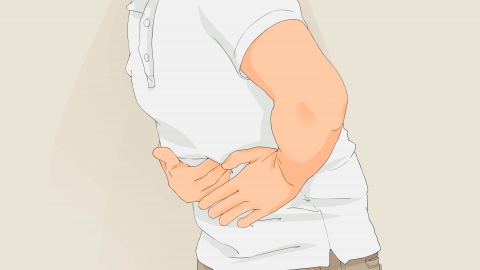
1. Gastric acid irritation of the ulcer surface: In gastric ulcers, the gastric mucosa is damaged, and gastric acid directly stimulates nerve endings at the ulcer site, causing pain. Pain is more noticeable when the stomach is empty due to higher gastric acid concentration, while eating dilutes the acid and temporarily relieves the discomfort. Avoid overly acidic or sweet foods to reduce gastric acid secretion. Follow medical advice to take medications such as omeprazole enteric-coated capsules or rabeprazole sodium enteric-coated tablets to suppress acid production, and simultaneously take aluminum magnesium carbonate chewable tablets to neutralize gastric acid and reduce irritation to the ulcer surface.
2. Abnormal gastric motility: Gastric ulcers can disrupt the normal rhythm of gastric motility. During peristalsis, the surrounding ulcer tissue is stretched, stimulating nerves and causing pain, often accompanied by bloating and belching. Pain may worsen after eating due to increased motility. Eat slowly and chew food thoroughly to avoid overeating, thereby reducing the burden on gastric motility. Follow medical advice to take medications such as domperidone tablets or mosapride tablets to enhance gastric motility and alleviate pain caused by motility disorders.
3. Helicobacter pylori infection: Helicobacter pylori colonizes the gastric mucosa, stimulates gastric acid secretion, damages the gastric mucosal barrier, exacerbates ulcer damage, and causes persistent upper abdominal pain accompanied by acid reflux and heartburn. Failure to eradicate the infection easily leads to ulcer recurrence. Patients should follow medical advice to undergo quadruple therapy, such as combining amoxicillin capsules, clarithromycin tablets, omeprazole enteric-coated capsules, and colloidal bismuth potassium citrate capsules to completely eradicate Helicobacter pylori, promote ulcer healing, and reduce pain.
4. Inflammation around the ulcer: Inflammatory reactions such as congestion and edema are present in the mucosa surrounding gastric ulcers. Inflammatory mediators stimulate nerve endings, intensifying pain, often accompanied by marked localized tenderness; the more severe the inflammation, the stronger the pain. Patients should maintain a bland diet and avoid spicy or irritating foods. Follow medical advice to take medications such as rebamipide tablets, teprenone capsules, or compound bismuth aluminate granules to protect the gastric mucosa, reduce surrounding inflammation, and alleviate pain symptoms.
5. Ulcer perforation: When a gastric ulcer penetrates the entire gastric wall, gastric contents enter the abdominal cavity, causing severe chemical peritonitis, resulting in persistent, knife-like upper abdominal pain, accompanied by abdominal muscle tension, nausea, and vomiting, requiring emergency treatment. Immediately stop eating and drinking, adopt a semi-recumbent position, follow medical advice for intravenous administration of ceftriaxone sodium injection and metronidazole injection to combat infection, and undergo emergency surgical repair of the gastric perforation to close the perforation site, clean the abdominal cavity, and relieve pain.
In daily life, develop regular eating habits, eat meals at regular times and in appropriate quantities, and avoid prolonged fasting. Quit smoking and drinking alcohol to reduce irritation to the gastric mucosa. Maintain emotional stability and avoid stress or anxiety, which can increase gastric acid secretion. Follow medical advice to complete the full course of medication without discontinuing treatment on your own. Regularly undergo gastroscopic follow-ups to monitor ulcer healing and reduce the likelihood of pain recurrence.


