


What are the common causes of lower lobe pneumonia in both lungs?
Jul 18, 2025
Source: Cainiu Health

Dr. Ren Yi
Introduction
Under normal circumstances, common causes of infections in the lower lobes of both lungs may include gravitational factors leading to secretion deposition, decreased immunity, bacterial pneumonia, viral pneumonia, and mycoplasma pneumonia. It is recommended to seek timely medical attention, identify the cause, and undergo symptomatic treatment under a doctor's guidance. Additionally, maintaining personal hygiene, washing hands frequently, and avoiding crowded places can help prevent respiratory infections.
Under normal circumstances, common causes of infections in the lower lobes of both lungs may include gravitational factors leading to secretion deposition, decreased immunity, bacterial pneumonia, viral pneumonia, and mycoplasma pneumonia. It is recommended to seek timely medical consultation to identify the cause and receive symptomatic treatment under a doctor's guidance. Detailed analysis is as follows:
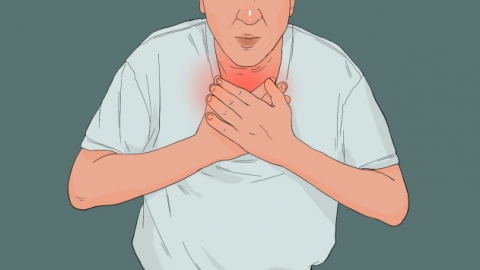
1. Secretion Deposition Due to Gravitational Factors: The lower lobes of the lungs are in a lower position, and respiratory secretions tend to accumulate there due to gravity. This environment promotes the growth of bacteria and other pathogens, leading to infection. This is especially common in individuals who are bedridden for long periods, and symptoms may include coughing and yellow sputum production. Regular turning, back tapping, avoiding prolonged bed rest, and appropriate sitting or standing activities can help promote secretion drainage from the lower lobes, thereby reducing infection risk.
2. Decreased Immunity: Elderly individuals, patients with chronic diseases, or those experiencing prolonged fatigue often have weakened immune systems, which compromises the respiratory defense mechanisms. Pathogens may more easily invade the lower lobes of the lungs, causing infection. Symptoms may include fatigue and fever, and the infection can be difficult to control. Ensuring adequate sleep, enhancing nutrition by consuming protein- and vitamin-rich foods such as eggs and oranges, and engaging in appropriate physical exercise can help boost immunity.
3. Bacterial Pneumonia: Bacterial infections such as those caused by Streptococcus pneumoniae or Staphylococcus aureus affecting the lower lobes of both lungs can cause parenchymal lung inflammation, resulting in infection accompanied by high fever, coughing, and purulent sputum. Blood tests may show elevated white blood cell counts. Patients should rest in bed, drink plenty of water, and follow medical advice to use antibiotics such as injectable sodium penicillin, cefuroxime axetil tablets, and levofloxacin hydrochloride capsules. Antipyretics like paracetamol tablets can be used to reduce fever and promote absorption of inflammation.
4. Viral Pneumonia: Viruses such as influenza virus or coronavirus infecting the lower lobes of both lungs can cause interstitial inflammation, leading to infection accompanied by fever, dry cough, and fatigue. The infection is highly contagious and often occurs in clusters. Patients should isolate themselves to avoid spreading the infection to others. Follow medical advice to use antiviral medications such as ribavirin injection, acyclovir tablets, and oseltamivir capsules. Symptomatic treatments such as oxygen therapy to relieve breathing difficulties and adequate hydration to prevent dehydration should also be administered.
5. Mycoplasma Pneumonia: Mycoplasma pneumoniae infection affecting the lower lobes of both lungs causes infection primarily characterized by interstitial lesions. Symptoms include paroxysmal irritating cough and low-grade fever, commonly seen in adolescents and children, with prolonged cough duration. Patients should rest adequately and avoid strenuous exercise. Follow medical instructions to use medications such as azithromycin capsules, erythromycin enteric-coated tablets, and doxycycline hydrochloride tablets to inhibit mycoplasma proliferation and relieve cough with dextromethorphan guaifenesin syrup.
Maintain personal hygiene, wash hands frequently, and avoid crowded places to prevent respiratory infections. Get vaccinated against influenza and pneumonia to reduce infection risk. If symptoms such as coughing or fever occur, seek timely medical consultation for early diagnosis and treatment to prevent the infection from worsening.



