


What causes neonatal jaundice?
Jul 18, 2025
Source: Cainiu Health

Dr. Zhou Xiaofeng
Introduction
Bacterial infection can lead to sepsis, during which bacterial toxins damage liver function, causing impaired bilirubin metabolism and resulting in jaundice. This condition is often accompanied by symptoms such as fever or hypothermia, and poor feeding. Doctors generally recommend treatment with medications such as injectable sodium penicillin, injectable cefotaxime sodium, and injectable vancomycin hydrochloride, along with blue light therapy.
Neonatal jaundice may be caused by excessive bilirubin production, weak liver metabolism, breast milk jaundice, neonatal sepsis, galactosemia, and other factors. If any abnormalities are noticed, timely medical attention is recommended. Detailed explanations are as follows:
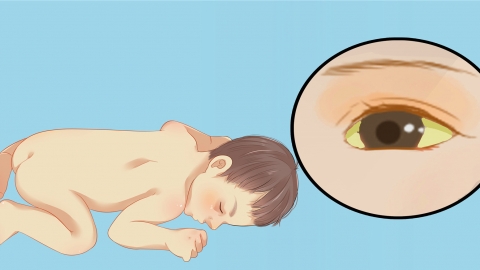
1. Excessive bilirubin production: Newborns have a high number of red blood cells with short lifespans. After red blood cell destruction, excessive bilirubin is produced, exceeding the liver's metabolic capacity, resulting in jaundice. It is recommended to increase feeding frequency to promote bowel movements and help eliminate bilirubin, which usually resolves spontaneously.
2. Weak liver metabolism: Neonatal liver function is immature, and the enzymatic activity responsible for bilirubin processing is low, leading to slow bilirubin metabolism and jaundice. Close monitoring of bilirubin levels is necessary, and phototherapy may be required when indicated to accelerate bilirubin breakdown and excretion.
3. Breast milk jaundice: In breastfed newborns, components in breast milk affect bilirubin metabolism, causing jaundice. It often presents as prolonged jaundice, while the infant maintains good feeding, alertness, and normal weight gain. The main treatment is to temporarily stop breastfeeding for 1-2 days as directed by a physician, switching to formula feeding.
4. Neonatal sepsis: Bacterial infection leads to sepsis, where bacterial toxins damage liver function, causing bilirubin metabolism disorders and jaundice. It is often accompanied by symptoms such as fever or hypothermia and poor feeding. Doctors generally recommend treatment with injectable sodium penicillin, injectable cefotaxime sodium, injectable vancomycin hydrochloride, and other medications, along with phototherapy.
5. Galactosemia: Genetic factors cause a deficiency of enzymes required for galactose metabolism. Accumulation of galactose in the body damages the liver, leading to jaundice, often accompanied by vomiting, diarrhea, and other symptoms, potentially causing irreversible brain damage. Lactose-containing products should be discontinued, and lactose-free formula should be used instead. As directed by a physician, medications such as vitamin C tablets, vitamin B1 tablets, and lactase tablets may be used as adjunctive therapy.
In daily life, closely observe changes in the newborn's skin jaundice, regularly monitor bilirubin levels, and ensure adequate feeding. If jaundice persists or is accompanied by other abnormal symptoms, seek timely medical attention to identify the underlying cause and implement targeted treatment.




