


What are the reasons why spicy hot pot causes an increase in blood sugar levels?

Under normal circumstances, the consumption of spicy hot pot (Malatang) may lead to elevated blood sugar levels due to several factors, including excessive intake of high-carbohydrate ingredients, high sugar content in the broth, rapid eating speed, decreased insulin sensitivity, or the presence of diabetes. It is recommended to seek timely medical consultation to identify the underlying cause and undergo appropriate treatment under a physician's guidance. A detailed analysis is as follows:
1. High-carbohydrate ingredients: Ingredients in Malatang such as vermicelli, wide rice noodles, and glutinous rice cakes are rich in carbohydrates, which are rapidly broken down into glucose after consumption, leading to elevated blood sugar levels and a strong feeling of fullness after meals. Reduce intake of these ingredients and increase the proportion of low-carbohydrate options such as vegetables and tofu to control total food intake.
2. High sugar content in the broth: Some vendors add sugar or rock sugar to the broth to enhance flavor. The sugar is directly absorbed, causing an increase in blood glucose levels and potentially accompanied by thirst. Choose a clear broth base instead of spicy or rich broths, request reduced sugar when ordering, and drink an appropriate amount of warm water after the meal to promote metabolism.
3. Rapid eating speed: The habit of eating Malatang while it's hot often leads to fast eating, causing food to enter the intestines without being adequately chewed, resulting in a rapid rise in blood sugar and accompanied by bloating. Slow down your eating pace, chew food thoroughly, aim for more than 15 chews per bite, and extend meal duration to over 20 minutes.
4. Decreased insulin sensitivity: Regular consumption of spicy and irritating foods such as Malatang may reduce insulin sensitivity, weakening the body's ability to regulate blood sugar and causing post-meal hyperglycemia. Reduce the frequency of consumption to no more than once per week, and increase physical activity such as brisk walking or rope jumping to improve insulin sensitivity.
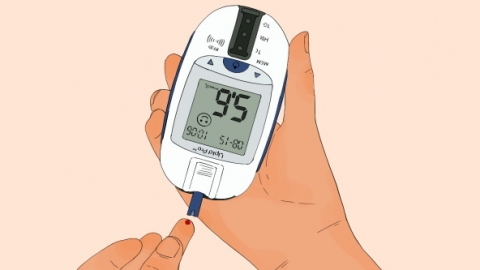
5. Presence of diabetes: Patients with diabetes already have impaired blood sugar regulation. The high sugar and high-carbohydrate ingredients in Malatang can easily lead to significant blood sugar fluctuations, accompanied by symptoms such as increased thirst and frequent urination. Patients should strictly control ingredient choices, avoid high-sugar items, and follow medical advice to use medications such as Metformin Hydrochloride Tablets, Glimepiride Tablets, or Insulin Injection to manage blood sugar levels. Monitor blood glucose changes after meals and adjust dietary and medication plans accordingly.
When consuming Malatang, consider pairing it with whole grain rice instead of refined carbohydrates and increase protein intake through items such as quail eggs and lean meat. Avoid excessive spiciness to reduce gastrointestinal irritation. Regularly monitor blood sugar levels, especially for diabetic patients, and adjust dietary and medication strategies accordingly.


