What are the potential causes of elevated sodium and chloride levels?
Jul 19, 2025
Source: Cainiu Health

Dr. Liu Feng
Introduction
In general, elevated levels of sodium and chloride may be caused by insufficient water intake, a high-salt diet, dehydration, abnormal kidney function, or endocrine disorders. If test results show abnormalities, it is recommended to seek medical attention promptly. In daily life, it is important to develop a habit of regular water intake and maintain a light diet. Additionally, routine physical examinations should be conducted to monitor electrolyte levels such as sodium and chloride.
Generally, elevated levels of sodium and chlorine may be caused by insufficient water intake, high-salt diet, dehydration, abnormal kidney function, or primary hyperaldosteronism. If test results show abnormalities, timely medical consultation is recommended. Detailed explanations are as follows:
1. Insufficient Water Intake
When the body lacks adequate water due to reduced daily water consumption, the concentrations of sodium and chlorine in the blood may relatively increase, possibly accompanied by symptoms such as dry mouth and reduced urine output. It is recommended to increase water intake, drinking 1500–2000 milliliters of warm water daily in small amounts and multiple servings, avoiding excessive water consumption at once. Also, avoid prolonged exposure to high-temperature environments to reduce excessive water loss.
2. High-Salt Diet
Long-term consumption of excessive salted or processed meats and other high-salt foods may lead to excessive intake of sodium and chlorine, resulting in elevated levels, possibly accompanied by thirst. It is recommended to adjust dietary habits by reducing high-salt food intake, using less salt during cooking, and utilizing natural spices for seasoning. Eating more fresh vegetables and fruits can also help promote the metabolism of sodium and chlorine.
3. Dehydration
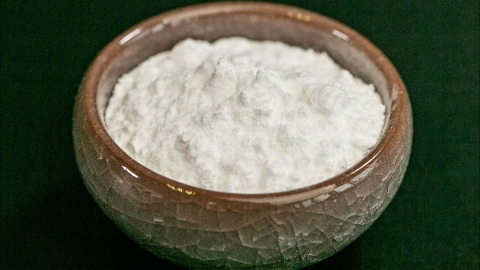
Vomiting, diarrhea, and similar conditions can cause significant water loss from the body, preventing sodium and chlorine from being excreted with water, leading to their accumulation and elevated levels. This may often be accompanied by symptoms such as fatigue and dizziness. It is important to promptly replenish fluids and electrolytes, by drinking lightly salted water or oral rehydration salts III. If vomiting or diarrhea is severe, fluid replacement through intravenous infusion of compound sodium chloride injection may be required under a doctor's guidance.
4. Abnormal Kidney Function
When kidney function is impaired, the kidneys' ability to excrete sodium and chlorine decreases, leading to their retention in the body and elevated levels, possibly accompanied by edema and reduced urine output. Patients should take medications such as furosemide tablets, torasemide tablets, or bumetanide tablets under medical guidance to promote the excretion of sodium and chlorine. Additionally, protein intake should be controlled to reduce the burden on the kidneys.
5. Primary Hyperaldosteronism
Primary hyperaldosteronism causes abnormal hormone secretion in the body, promoting the reabsorption of sodium and chlorine, which leads to elevated levels, often accompanied by hypertension and hypokalemia. Patients should take medications such as spironolactone tablets, eplerenone tablets, or triamterene tablets under medical supervision to regulate hormone levels and reduce sodium and chlorine retention.
In daily life, it is important to develop regular water-drinking habits and maintain a light diet. Regular health check-ups should be conducted to monitor electrolyte levels such as sodium and chlorine. If underlying diseases are present, active treatment is necessary to control disease progression.