


What causes thickening of the colon wall?

Generally, thickening of the colon wall may be caused by abnormal intestinal peristalsis, individual anatomical variations, chronic colitis, colon polyps, intestinal obstruction, and other reasons. It is recommended to seek timely medical consultation to determine the exact cause and receive appropriate treatment under a doctor's guidance. Detailed analysis is as follows:
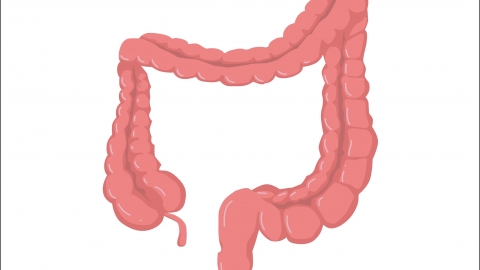
1. Abnormal intestinal peristalsis: Long-term constipation or diarrhea can lead to intestinal motility disorders, causing repeated contractions and congestion of the colon wall muscles, resulting in temporary thickening, often accompanied by irregular bowel movements. Dietary adjustments are recommended, including increased consumption of fiber-rich foods such as celery and oats, maintaining regular bowel habits, and avoiding prolonged sitting.
2. Individual anatomical variations: Some individuals naturally have thicker colon walls due to congenital developmental factors. If there are no symptoms such as abdominal pain or rectal bleeding, this is considered a normal physiological variation. No specific treatment is required; regular colonoscopies are sufficient to monitor colon health.
3. Chronic colitis: Prolonged inflammation of the intestine causes mucosal congestion and edema, leading to thickening of the colon wall, often accompanied by symptoms such as abdominal pain and mucus-filled stools. Patients may follow medical advice to use medications such as mesalazine enteric-coated tablets, sulfasalazine enteric-coated tablets, and Bifidobacterium triple viable capsules to control inflammation.
4. Colon polyps: The growth of polyps can cause localized thickening of the colon wall. Larger polyps may be associated with rectal bleeding and changes in bowel habits. Small polyps can be monitored regularly, while larger or symptomatic polyps require endoscopic polypectomy to remove the lesion and prevent disease progression.
5. Intestinal obstruction: Obstruction of the intestine leads to accumulation of intestinal contents, causing pressure, congestion, and swelling of the intestinal wall, resulting in thickening of the colon wall, often accompanied by severe abdominal pain and vomiting. Fasting and water restriction are necessary, along with gastrointestinal decompression. Medications such as somatostatin injection, potassium chloride injection, and ceftriaxone sodium injection may be used as directed by a physician. In severe cases, surgical procedures such as adhesion lysis or bowel resection with anastomosis may be required to relieve the obstruction.
In daily life, maintaining good dietary hygiene and avoiding spoiled food is important. Consumption of spicy and greasy foods should be reduced, and smoking and alcohol intake should be avoided or limited. Engaging in moderate physical activity, such as walking or yoga, can help promote intestinal motility and maintain overall gut health.


