


What is the best department to visit for high uric acid levels?

Generally speaking, if you have elevated uric acid levels, you can visit the rheumatology and immunology department, endocrinology department, nephrology department, urology department, or general practice department. Detailed explanations are as follows:
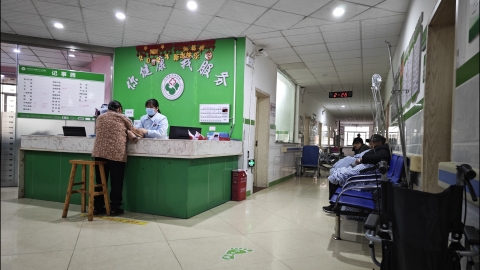
1. Rheumatology and Immunology Department: Elevated uric acid levels can easily trigger gouty arthritis, which falls within the scope of rheumatic and immunological diseases. This department has extensive experience managing acute gout attacks with anti-inflammatory and pain relief treatments, as well as uric acid-lowering strategies during remission periods.
2. Endocrinology Department: Uric acid metabolism is related to hormonal regulation. The endocrinology department specializes in managing metabolic disorders. They can assess uric acid and other metabolic indicators, and develop dietary and medication plans to improve abnormal uric acid metabolism.
3. Nephrology Department: The kidneys are the primary organs responsible for uric acid excretion. High uric acid levels may damage kidney function or result from reduced excretion due to kidney disease. The nephrology department can assess kidney involvement and manage both uric acid control and kidney protection.
4. Urology Department: Elevated uric acid levels may lead to urinary tract stones, causing symptoms such as flank pain and hematuria. The urology department can detect stones through imaging examinations and provide treatment via medication or surgery, along with uric acid-lowering strategies.
5. General Practice Department: For cases of mildly elevated uric acid without obvious symptoms, the general practice department can comprehensively assess overall health, offer lifestyle guidance, and refer patients to specialists for further diagnosis and treatment if necessary.
After discovering elevated uric acid levels, choose the appropriate department based on whether you are experiencing symptoms such as joint pain, kidney stones, or abnormal kidney function. If uncertain during your first visit, you may consult the hospital's information desk. After diagnosis, follow medical advice, regularly recheck uric acid levels, and adjust treatment plans accordingly.


