How to measure jaundice at home by oneself
Jul 21, 2025
Source: Cainiu Health

Dr. Shen Yonghua
Introduction
Under normal circumstances, self-testing for jaundice at home generally involves transcutaneous bilirubin measurement, observing skin and mucous membrane color, comparing the resolution of jaundice, recording stool color, and monitoring the infant's mental status. Using a home transcutaneous bilirubinometer, gently place the device on areas such as the newborn's forehead or chest; the instrument will display bilirubin levels, providing a direct understanding of the degree of jaundice. The operation should be performed according to the instrument's instructions.
Generally, measuring jaundice at home can usually be done through the following methods: transcutaneous bilirubin measurement, observation of skin and mucous membrane color, comparison of jaundice regression, recording stool color, and observing mental status. Detailed explanations are as follows:
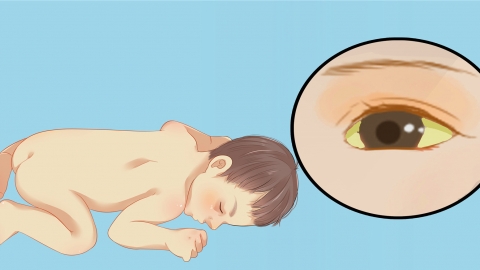
1. Transcutaneous bilirubin measurement: Using a home transcutaneous bilirubin meter, gently place it on areas such as the patient's forehead or chest. The device will display the bilirubin level, allowing a direct understanding of the jaundice level. During operation, follow the device instructions to ensure accurate measurement positioning.
2. Observation of skin and mucous membrane color: Observe the color of the patient's skin and whites of the eyes under natural light. If the yellowing of the skin spreads or the whites of the eyes become distinctly yellow, it may indicate worsening jaundice; if the color gradually lightens, it may indicate improvement.
3. Comparison of jaundice regression: Record the onset and changes of jaundice over time, comparing the degree of skin yellowing at different periods. Under normal circumstances, jaundice should gradually recede from the head downward; if regression is slow or jaundice recurs, it may indicate an abnormality requiring attention.
4. Recording stool color: Observe and record the color of the patient's stool. A breastfed infant normally has golden-yellow stool. If the stool color becomes lighter or appears pale or clay-colored, it may suggest jaundice related to biliary tract issues, necessitating further examination.
5. Observing mental status: Pay attention to the patient's feeding behavior, sleep quality, and activity level. If during the period of jaundice there is reduced feeding, excessive sleepiness, weak crying, or other such manifestations, it may suggest that jaundice is affecting the patient's physical condition, requiring timely attention.
Home assessment of jaundice is only for preliminary judgment and cannot replace professional medical evaluation. If jaundice persists, worsens, or is accompanied by abnormal symptoms, promptly take the patient to the hospital for testing and follow medical advice for appropriate management.