


What does it mean if the tongue coating is both white and thick?

Generally, a white and thick tongue coating may be caused by improper diet, poor oral hygiene, functional dyspepsia, gastritis, enteritis, and other conditions. If discomfort occurs, timely medical consultation is recommended. Detailed explanations are as follows:
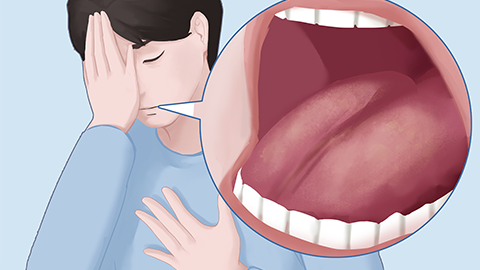
1. Improper Diet
If excessive oily, sweet, or cold foods have been consumed recently, they might be difficult to digest and tend to accumulate in the gastrointestinal tract. The transportation and transformation functions of the spleen and stomach may be affected, potentially leading to abnormal metabolism of body fluids and dampness, with turbid dampness rising to the tongue surface, causing the tongue coating to become white and thick. It is important to maintain a balanced diet, reduce intake of oily, sweet, and cold foods, and increase consumption of vegetables, fruits, whole grains, and other dietary fiber-rich foods to promote gastrointestinal motility and digestion.
2. Poor Oral Hygiene
When oral cleaning is not performed timely, food residues and bacteria proliferate on the tongue surface. Bacteria break down food residues and produce metabolic byproducts that adhere to the tongue surface, altering the normal color and texture of the tongue coating, making it white and thick. One should develop good oral hygiene habits, brush teeth properly in the morning and evening, gently brush the tongue surface with a toothbrush while brushing teeth, and rinse the mouth after meals to reduce the retention time of food residues in the oral cavity.
3. Functional Dyspepsia
Insufficient gastrointestinal motility or reduced secretion of digestive enzymes can cause food to stagnate in the stomach, with fermentation producing turbid qi that rises to the tongue, resulting in a white and thick tongue coating, halitosis, abdominal distension, and belching. It is recommended to eat small, frequent meals and avoid greasy foods to help alleviate symptoms.
4. Gastritis
Gastritis is mainly caused by Helicobacter pylori infection, drug irritation, excessive alcohol consumption, mental stress, and other factors. Inflammation of the gastric mucosa impairs digestive function, leading to abnormal transportation and transformation by the spleen and stomach, with fluid retention and dampness, resulting in a white and thick tongue coating. Symptoms such as epigastric pain and nausea may also appear. Treatment under a physician's guidance may include medications such as omeprazole enteric-coated capsules, amoxicillin capsules, and clarithromycin tablets.
5. Enteritis
Enteritis may be triggered by bacterial, viral, or parasitic infections, food allergies, and other causes. Inflammation of the intestinal mucosa leads to dysfunction in digestion and absorption, impairing the transformation of food and fluids and resulting in internal production of dampness and turbidity that rises to the tongue. Besides a white and thick tongue coating, symptoms such as diarrhea and abdominal pain may also occur. Patients can follow medical advice to use medications such as norfloxacin capsules, Bifidobacterium quadruple viable tablets, and enteritis tablets.
In daily life, moderate exercise, such as walking, jogging, and yoga, is recommended to promote gastrointestinal motility, enhance the transportation and transformation functions of the spleen and stomach, and improve the body's metabolic level.


