


What are Class A infectious diseases?

There are two Class A notifiable infectious diseases: plague and cholera.Plague is a highly contagious disease caused by Yersinia pestis. It can be transmitted via multiple routes, most commonly through the bite of infected fleas. It may also enter the body through broken skin during the butchering of infected animals;Cholera is an acute diarrheal illness typically caused by ingestion of contaminated food or water, with higher incidence rates observed during hot summer months.

What Are Class A Infectious Diseases?
1. Plague
Plague is a highly virulent infectious disease caused by Yersinia pestis. Transmission occurs via multiple routes: most commonly through flea bites, but also through direct contact with infected animals (e.g., during slaughter) via broken skin, or inhalation of aerosolized bacteria. Inhalation leads to pneumonic plague, which may progress to septicemia. Plague is highly contagious and associated with high mortality.
2. Cholera
Cholera is an acute diarrheal disease typically caused by ingestion of contaminated food or water—especially prevalent during hot summer months. Affected individuals often experience inability to retain food or fluids, resulting in vomiting and passage of “rice-water” stools. In severe cases, profuse diarrhea and vomiting cause rapid dehydration, muscle cramps, and—if untreated—peripheral circulatory collapse and acute kidney failure.
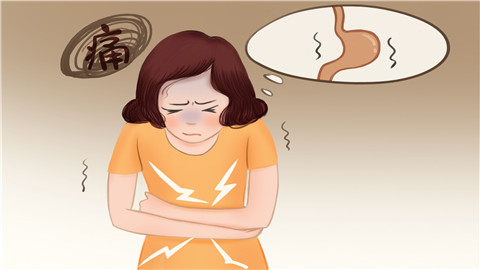
Quick Tips: Prevention Measures for Class A Infectious Diseases
1. Eliminate flies and their breeding sites;
2. Clean, repair, and disinfect wells;
3. In areas relying on pond water, implement household water disinfection (e.g., in storage jars); always drink boiled water—not raw water;
4. Strengthen food hygiene management; avoid holding wedding, funeral, or other celebratory banquets during disaster periods.

The above outlines key information regarding Class A infectious diseases—hopefully helpful to all readers.


