


Can infested rice be disinfected through high-temperature treatment?
Jul 30, 2025
Source: Cainiu Health

Dr. Yang Ziqi
Introduction
Under normal circumstances, whether rice infested with insects can be consumed after high-temperature disinfection depends on the severity of the infestation. If there are only a few insects and no signs of spoilage, the rice can generally be disinfected using high temperatures. However, if the infestation is severe or spoilage has occurred, high-temperature disinfection is not recommended. To prevent rice from becoming infested, it is advisable to store it in a dry, well-ventilated, and sealed container.
Generally speaking, whether rice infested with insects can be consumed after high-temperature disinfection depends on the severity of the infestation. If there are only a few insects and no signs of spoilage, the rice usually can be disinfected using high temperatures. However, if the infestation is severe or spoilage has occurred, high-temperature disinfection is not recommended. Detailed analysis is as follows:
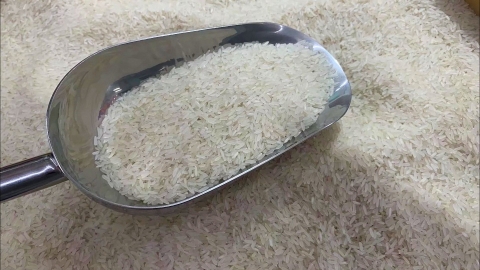
If the number of insects is small and there are no signs of spoilage such as mold or unpleasant odors, high-temperature disinfection can kill the insects and their eggs in the rice. For example, stir-frying the rice in a pan until it reaches a high temperature or steaming it thoroughly in a steamer can effectively eliminate the pests. The rice can still be consumed after such treatment, although its taste may be somewhat affected.
Although high temperatures can kill insects and their eggs, if the rice is heavily infested, insect excrement, shed skins, and possibly mold may remain in the rice. Even with high-temperature disinfection, it is difficult to completely remove these contaminants and spoiled components. Consuming such rice may pose health risks, so it is not recommended to eat rice infested with numerous insects even after high-temperature disinfection.
To prevent rice from becoming infested with insects, it is recommended to store it in a dry, well-ventilated, and sealed container. Items with insect-repelling properties, such as garlic or Sichuan peppercorns, can be placed inside the container. Before storage, ensure that the rice is completely dry to avoid moisture accumulation. Additionally, control the quantity stored and try to consume it within a short period to maintain freshness.


