


Why is drinking water discouraged in the treatment of heatstroke?

Generally, drinking water should be avoided during the treatment of heatstroke as it may cause choking and suffocation, worsen electrolyte imbalance, increase the burden on the heart, interfere with gastrointestinal function, or lead to water intoxication. If any abnormalities occur, prompt medical attention is advised. Detailed explanations are as follows:
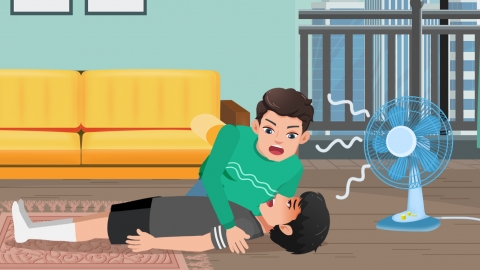
1. Possible choking and suffocation: During treatment, if the patient's consciousness has not fully recovered and the swallowing reflex is delayed, drinking water may cause liquid to enter the trachea, resulting in choking or even suffocation, which could hinder the treatment process. Therefore, water intake should be avoided.
2. Worsening of electrolyte imbalance: Heatstroke causes significant loss of electrolytes through sweat. Blindly drinking water during treatment further dilutes the remaining electrolytes, disrupting the body's balance and affecting the recovery of bodily functions. Thus, water intake should be avoided.
3. Increased burden on the heart: During treatment, the patient's heart is already in a state of stress. Drinking water suddenly increases blood volume, further burdening the heart and potentially triggering complications such as arrhythmia. Therefore, water intake should be avoided.
4. Interference with gastrointestinal function: Heatstroke may cause congestion of the gastrointestinal mucosa. Drinking water during treatment can irritate the gastrointestinal tract, causing discomfort such as vomiting and bloating, which affects nutrient absorption and drug efficacy. Thus, water intake should be avoided.
5. Risk of water intoxication: During treatment, the kidney's metabolic function may not have fully recovered. Excessive water intake may lead to water retention and inability to excrete water timely, causing water intoxication and potentially severe complications such as cerebral edema. Therefore, water intake should be avoided.
Strict adherence to medical staff instructions is essential during heatstroke treatment. Do not administer water to patients without authorization. If fluid or electrolyte replacement is necessary, it should be done safely by medical professionals via intravenous infusion to ensure smooth treatment and promote patient recovery.


