


Are longan and lychee suitable for making wine?

Generally speaking, rambutan and lychee can be used for making fruit-infused alcohol when they are fresh, unspoiled, and used in moderate quantities. However, if the fruits have rotted or been excessively soaked, they are unsuitable for this purpose. Detailed analysis is as follows:
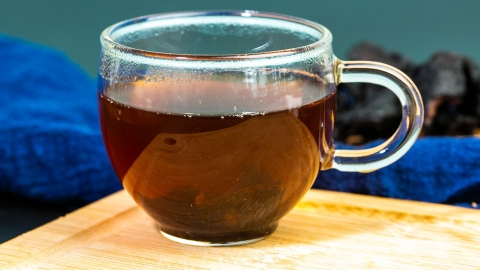
If fresh, mature, and undamaged rambutan and lychee are selected, cleaned to remove impurities, and then soaked in alcohol in appropriate proportions, nutrients from the fruits can infuse into the alcohol, producing a sweet and pleasant flavor. In this case, making fruit-infused alcohol is feasible, and moderate consumption generally does not cause discomfort.
If the rambutan or lychee used is already rotten or has an unusual odor, or if excessive quantities are added during the soaking process, making the alcohol overly sweet or causing abnormal fermentation, harmful substances may develop. Consuming such alcohol may easily cause gastrointestinal discomfort, and therefore should not be used for making fruit-infused alcohol.
When making rambutan or lychee infused alcohol, it is essential to ensure the fruits are fresh, control the quantity used, and store the mixture sealed in a cool place. After infusion, the alcohol should be consumed in moderation. If symptoms such as abdominal pain or vomiting occur after consumption, usage should be stopped immediately and medical attention sought promptly.


