


Why are patients with heatstroke not allowed to drink water?

Heatstroke patients are in a special physical condition, and rehydration must be done with caution. Generally, drinking large amounts of water rapidly can lead to water intoxication, increase the burden on the heart, interfere with temperature regulation, cause electrolyte imbalance, and irritate the gastrointestinal tract. Detailed explanations are as follows:
1. Water intoxication: Heatstroke patients have impaired regulatory functions. Drinking large amounts of water rapidly increases body fluid levels beyond the kidney's excretion capacity, leading to cellular edema and water intoxication, which may result in more severe symptoms such as headache and vomiting.
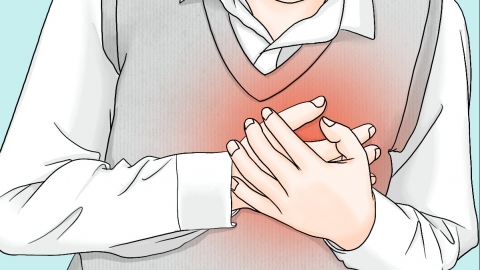
2. Increased cardiac burden: In the state of high fever, the heart's function is already compromised. Consuming a large volume of water within a short time increases blood volume, causing a sudden rise in the heart's workload, which can worsen cardiac stress and potentially trigger arrhythmias.
3. Impaired temperature regulation: Drinking large amounts of room or cold water may cause blood vessel constriction, interfering with the body's heat dissipation mechanisms, hindering the reduction of body temperature, and delaying recovery from heatstroke.
4. Electrolyte imbalance: Patients with heatstroke often lose significant amounts of electrolytes such as sodium and potassium through sweating. Simply drinking large amounts of water further dilutes these electrolytes, worsening the imbalance and potentially causing symptoms like muscle cramps.
5. Gastrointestinal irritation: The gastrointestinal mucosa may already be damaged due to high body temperature. Drinking large amounts of water at this time can expand the stomach and intestines, irritating the mucosa and causing nausea and vomiting, which not only fails to effectively replenish fluids but also increases physical discomfort.
Heatstroke patients should follow the principle of small, frequent sips when rehydrating and may drink electrolyte-containing beverages under a physician's guidance. If the patient experiences vomiting, confusion, or other concerning symptoms, do not force them to drink water. Instead, seek immediate medical attention for professional intravenous fluid treatment.


