


What is the difference between promoting saliva production to relieve thirst and relieving summerheat?

Generally speaking, promoting the production of body fluids to relieve thirst and relieving heat stress are two different physiological regulatory or coping mechanisms, differing in conceptual connotation, targeted symptoms, mechanisms of action, applicable situations, and commonly used methods. If physical discomfort occurs, it is recommended to take appropriate measures according to the specific situation. The detailed analysis is as follows:
1. Conceptual Connotation
Promoting body fluid production and relieving thirst refers to the process of alleviating the sensation of thirst by stimulating the generation of body fluids, focusing on replenishing lost water and bodily fluids and improving dryness in the mouth; relieving heat stress involves alleviating or eliminating discomfort caused by high temperatures, including regulating body temperature and relieving symptoms associated with heatstroke.
2. Targeted Symptoms
Promoting body fluid production primarily addresses symptoms of fluid deficiency such as thirst, dry throat, chapped lips, reduced urine output, which can be caused by various factors including insufficient water intake, excessive sweating, and exposure to dry environments; relieving heat stress targets symptoms like dizziness and headache caused by heat stress, and in severe cases may be accompanied by confusion.
3. Mechanisms of Action
Promoting body fluid production relieves thirst and restores oral moisture by stimulating salivary gland secretion, promoting internal water metabolism and circulation, and increasing body fluid volume; relieving heat stress improves bodily dysfunction caused by high temperatures and restores normal physiological function by reducing internal heat, regulating the function of the body's temperature control center, and replenishing electrolytes.
4. Applicable Situations
Promoting body fluid production applies to various situations such as prolonged lack of water intake, excessive perspiration after strenuous exercise, being in a dry environment, or suffering from conditions like Sjögren's syndrome that cause fluid depletion; relieving heat stress applies specifically to situations of discomfort caused by high temperatures and humidity, such as prolonged exposure to summer sun or staying in a hot and stuffy environment.
5. Common Methods
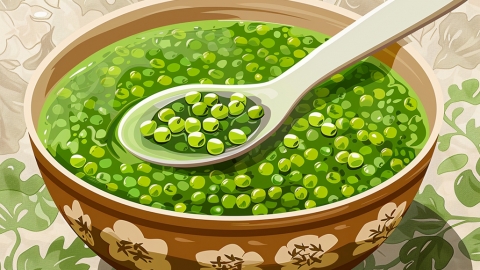
Promoting body fluid production can be achieved by drinking warm water, light tea, fruit juice, or consuming water-rich foods such as pears, watermelons, and tremella; it can also involve using traditional Chinese herbs that promote body fluid production, such as Ophiopogon Root (Mai Dong) and Solomonseal Rhizome (Yu Zhu). Relieving heat stress can involve moving to a cool place, wiping the body with a wet towel to reduce body temperature, drinking mung bean soup, light salt water, or Huoxiang Zhengqi water; in severe cases, physical cooling or medication might be necessary.
In daily life, it is important to distinguish between and appropriately apply these two methods according to specific circumstances. In high-temperature environments, attention should be paid not only to relieving heat stress but also to timely replenishment of fluids to prevent fluid deficiency; when thirst occurs, especially if accompanied by significant heat stress symptoms, both fluid replenishment and heat relief should be addressed simultaneously.


