


Why Lumbar Disc Fusion Surgery Should Be Avoided as Much as Possible

Generally speaking, the main reasons to avoid lumbar intervertebral disc fusion surgery as much as possible include limited lumbar mobility, accelerated degeneration of adjacent vertebrae, significant surgical trauma, postoperative infection risks, and dural sac injury. If experiencing any discomfort, it is recommended to seek timely treatment at a qualified hospital. Detailed explanations are as follows:
1. Limited Lumbar Mobility
After surgically fusing and stabilizing the affected vertebral segment, the range of motion of the lumbar spine, including flexion, extension, rotation, and other activities at that segment, will be significantly reduced, affecting the flexibility of the lower back. Early postoperative moderate functional exercises of the lumbar and back muscles, such as the "swallow exercise" and "five-point support," can help strengthen the muscles of the lower back and compensate partially for lost mobility.
2. Accelerated Degeneration of Adjacent Vertebrae
After fusion surgery, the load on adjacent vertebrae increases, and long-term abnormal stress can easily lead to problems such as adjacent disc degeneration and vertebral bone spurs. In daily life, one should avoid bending over or carrying heavy loads for prolonged periods, and choose a mattress with moderate firmness to reduce stress on the lumbar spine.
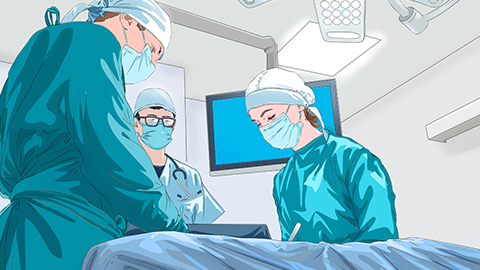
3. Significant Surgical Trauma
The surgery involves incisions through the skin, muscles, and other tissues, causing considerable damage to soft tissues around the lumbar spine. Recovery after surgery takes a long time, and symptoms such as localized pain and swelling may occur. Pain-relief medications like celecoxib capsules, diclofenac sodium sustained-release tablets, and ibuprofen sustained-release capsules can be used under a physician's guidance during postoperative recovery.
4. Postoperative Infection Risks
As an invasive procedure, surgery may lead to wound infection or infection within the spinal canal, and severe cases may require reoperation for debridement. Postoperatively, it is important to keep the incision clean and dry and follow medical advice to use prophylactic antibiotics such as cefuroxime axetil tablets, amoxicillin-clavulanate potassium tablets, or levofloxacin tablets.
5. Dural Sac Injury
The dural sac may be damaged during surgery, causing cerebrospinal fluid leakage and resulting in symptoms such as headache and dizziness. Severe cases may require surgical repair of the dural sac. If cerebrospinal fluid leakage occurs, bed rest with the head of the bed elevated is recommended, and intravenous mannitol may be administered under medical guidance to reduce intracranial pressure when necessary.
In daily life, maintaining correct sitting and standing posture and avoiding prolonged sitting or standing are important. Strengthening lumbar and back muscle exercises can improve lumbar stability. If experiencing lower back discomfort, conservative treatments such as physical therapy or medication should be prioritized, and surgery should be considered only when strictly indicated.


