


How to treat damp-heat in the spleen and stomach

Generally, damp-heat in the spleen and stomach may be caused by long-term consumption of spicy and greasy foods, lack of regular作息 (rest patterns), chronic superficial gastritis, erosive gastritis, gastric ulcers, and other factors. It is recommended to seek timely medical attention, identify the underlying cause, and then improve the condition through lifestyle adjustments and medication under a doctor's guidance. A detailed analysis is as follows:
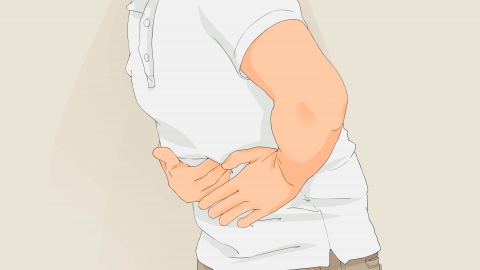
1. Long-term consumption of spicy and greasy foods: Excessive intake of chili peppers, fried foods, etc., can increase the digestive burden on the spleen and stomach, leading to stagnation of dampness and heat formation, which causes damp-heat in the spleen and stomach. This is often accompanied by bitter taste in the mouth and abdominal distension. A light diet is recommended, including heat-clearing and dampness-resolving foods such as wax gourd, coix seed, and celery.
2. Irregular作息 (rest patterns): Prolonged late-night activities or irregular sleep-wake cycles can disrupt the normal metabolic rhythm of the spleen and stomach, impairing dampness metabolism and resulting in internal generation of damp-heat. Symptoms such as morning bad breath and sticky bowel movements may easily occur. It is recommended to sleep regularly between 10:30 PM and 11:00 PM each night and ensure 7–8 hours of sleep.
3. Chronic superficial gastritis: Chronic inflammation of the gastric mucosa caused by Helicobacter pylori infection or improper diet can lead to impaired digestion and abnormal spleen and stomach function, resulting in internal accumulation of damp-heat. Symptoms may include epigastric dull pain and belching. Patients should follow medical advice and take medications such as omeprazole enteric-coated capsules, hydrotalcite chewable tablets, and domperidone tablets.
4. Erosive gastritis: Erosive damage to the gastric mucosa affects the digestive and absorptive functions of the spleen and stomach, leading to accumulation of dampness and heat pathogens. Symptoms may include stomach pain, acid reflux, and nausea. Patients should follow medical advice and take medications such as rabeprazole sodium enteric-coated tablets, bismuth potassium citrate capsules, and amoxicillin capsules to reduce inflammation.
5. Gastric ulcer: Ulcerative lesions formed in the gastric mucosa significantly reduce the digestive function of the spleen and stomach, causing damp-heat to block the gastrointestinal tract. Symptoms may include periodic epigastric pain and black stools. Patients should follow medical advice and take medications such as lansoprazole enteric-coated tablets, sucralfate suspension, and clarithromycin tablets to alleviate symptoms.
In daily life, maintaining a cheerful mood and avoiding long-term anxiety and irritability are important. Taking a 10–15 minute walk after meals can aid digestion. Additionally, keeping the abdomen warm to avoid cold exposure is essential to prevent worsening of spleen and stomach discomfort. A comprehensive approach to调理 (regulating) can help improve damp-heat conditions in the spleen and stomach.


