What should patients with liver tumors avoid eating?
Aug 30, 2025
Source: Cainiu Health

Dr. Gao Jun
Introduction
Under normal circumstances, patients with liver tumors should avoid eating foods such as fried French fries, pickled vegetables, alcoholic beverages, high-fat fatty meats, and spicy peppers, as well as medications including isoniazid tablets, prednisone tablets, tetracycline tablets, acetaminophen tablets, and Salvia miltiorrhiza tablets. Patients with liver tumors should maintain a light, easily digestible, and nutritionally balanced diet in daily life, with increased intake of fresh vegetables and fruits.
Generally, patients with liver tumors should avoid eating foods such as fried French fries, pickled vegetables, alcoholic beverages, high-fat fatty meats, and spicy chili peppers. They should also avoid medications such as isoniazid tablets, prednisone tablets, tetracycline tablets, acetaminophen tablets, and Salvia miltiorrhiza tablets. The specific reasons are as follows:
1. Foods
1. Fried French fries: These are cooked at high temperatures and contain large amounts of oil and fat, making them difficult to digest. They can increase the metabolic burden on the liver and may produce harmful substances that damage liver cells, which is not conducive to stabilizing or recovering from liver tumor conditions.
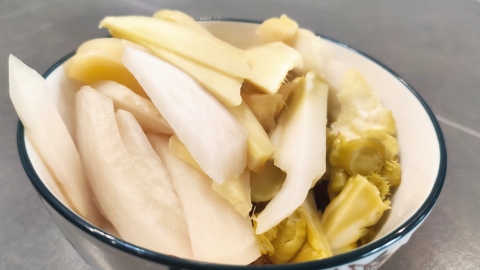
2. Pickled Vegetables: These contain high levels of nitrites and salt. Nitrites may adversely irritate the liver, while excessive salt increases the liver's metabolic workload and may cause water and sodium retention, affecting the patient's physical condition.
3. Alcoholic Beverages: Alcohol is primarily metabolized in the liver and can directly damage liver cells, worsening liver damage, potentially leading to disease progression. It may also interfere with the effectiveness of anti-cancer drugs, negatively affecting treatment.
4. High-fat Fatty Meats: These are extremely high in fat. Since liver function for fat metabolism is compromised, excessive intake of high-fat foods can lead to fat accumulation in the liver, increasing the liver's workload and potentially affecting the absorption of other nutrients.
5. Spicy Chili Peppers: These contain capsaicin, which can irritate the gastrointestinal mucosa, indirectly affecting liver function. They may exacerbate liver inflammation, hinder recovery in liver tumor patients, and potentially cause discomfort.
2. Medications
1. Isoniazid Tablets: This is an anti-tuberculosis drug that has certain hepatotoxicity. Liver tumor patients already have impaired liver function; using this drug may further worsen liver cell damage, leading to abnormal liver function, and must be strictly avoided.
2. Prednisone Tablets: This is a glucocorticoid. Long-term use can affect liver metabolic function, potentially leading to fat accumulation in the liver, increasing the liver burden, and suppressing immune function, which is not beneficial for disease control.
3. Tetracycline Tablets: Some patients may experience liver damage after using this drug. For liver tumor patients, its use increases the risk of liver damage, potentially causing abnormal liver function indicators, which may affect treatment progress and recovery.
4. Acetaminophen Tablets: This drug exhibits significant hepatotoxicity when taken in excessive amounts. Liver tumor patients have reduced liver metabolism capacity, and even standard doses may increase the risk of liver damage, possibly leading to severe liver dysfunction.
5. Salvia Miltiorrhiza Tablets: These have blood-activating and stasis-resolving effects. If liver tumor patients have existing liver dysfunction or a tendency to bleed, using this drug may increase the liver burden and also raise the risk of bleeding, interfering with disease management.
Liver tumor patients should maintain a light, easily digestible, and nutritionally balanced diet in daily life, consuming more fresh vegetables and fruits. They should also develop good lifestyle habits, avoiding staying up late and excessive fatigue. Any medication must strictly follow medical advice before use.