


How much fruit can a diabetic patient eat?

Generally, fruits suitable for people with diabetes should be consumed in controlled quantities, usually no more than 200 grams per day. It is also important to consider individual blood sugar levels, choose low-GI fruits, and time fruit consumption properly to avoid significant fluctuations in blood glucose levels. Detailed explanation is as follows:
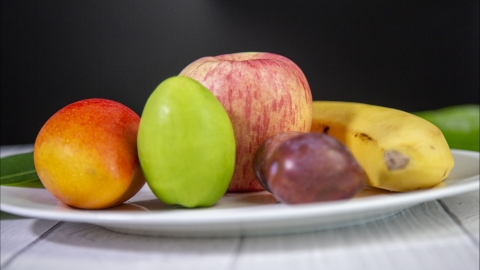
Fruits contain fructose, vitamins, and dietary fiber. However, excessive intake of fructose can elevate blood sugar levels. Therefore, portion control is essential. For example, half a medium-sized apple, approximately 150 grams of strawberries, or 100 grams of pomelo are considered appropriate portions, helping to avoid excessive consumption at one time. It is recommended to eat fruit between meals, such as at 10 a.m. or 3 p.m., when blood sugar levels are relatively stable. Consuming fruit immediately after meals is not recommended, as the sugar content in fruit may combine with calories from regular meals and lead to a spike in blood sugar. Priority should be given to low-GI fruits such as cherries, plums, and pomelo, while high-GI fruits like watermelon and lychees should be avoided in large quantities.
Daily monitoring of blood sugar changes after fruit consumption can help adjust portion sizes based on individual conditions, allowing for nutritional benefits while maintaining stable blood glucose levels.


