


What are the differences between Ophiopogon japonicus and Liriope platyphylla?
Sep 03, 2025
Source: Cainiu Health

Dr. Sun Lianqing
Introduction
Under normal circumstances, Ophiopogon japonicus and Liriope platyphylla are often confused. They differ in terms of name attribution, source species, appearance characteristics, active ingredients, and medicinal effects. During daily use, it is important to accurately distinguish between them based on differences in appearance and efficacy, to avoid poor medicinal effects caused by confusion. Additionally, professional guidance should be followed to ensure appropriate usage.
Generally speaking, Ophiopogon Root (Mai Dong) and Dwarf Lilyturf Tuber (McDoor) are often confused. There are differences between the two in terms of nomenclature, source species, appearance characteristics, active ingredients, and medicinal effects. The specific distinctions are as follows:
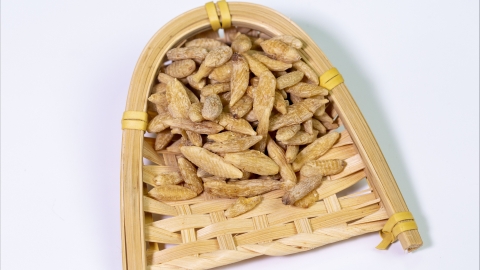
1. Name Classification: Dwarf Lilyturf Tuber is a general term encompassing multiple varieties, while Ophiopogon Root is a common variety under Dwarf Lilyturf Tuber, indicating a relationship of inclusion and being included.
2. Source Species: Ophiopogon Root originates from the dried tuberous roots of Ophiopogon japonicus (Thunb.) Ker Gawl., a plant species belonging to the Liliaceae family. In addition to Ophiopogon Root, Dwarf Lilyturf Tuber may also include dried tuberous roots of other species such as Liriope spicata (Thunb.) Lour. (Mountain Dwarf Lilyturf Tuber) from the same family. These species differ significantly in plant morphology and growth habits.
3. Appearance Characteristics: Ophiopogon Root tubers are spindle-shaped, 1.5–3 cm long and 0.3–0.6 cm in diameter, with a yellowish-white or pale yellow surface, fine longitudinal striations, a soft and pliable texture, and a yellowish-white, semitransparent cross-section. Mountain Dwarf Lilyturf Tuber is thicker and larger, measuring 2–5 cm long and 0.5–1 cm in diameter, with a brown-yellow or brownish surface, a harder texture, and a grayish-white, opaque cross-section.
4. Active Ingredients: Ophiopogon Root mainly contains ophiopogonin B, D, ophiopogon polysaccharides, and other components, with relatively high saponin content. Other species within the Dwarf Lilyturf Tuber category, such as Mountain Dwarf Lilyturf Tuber, primarily contain liriope saponin A, B, etc., with polysaccharide levels similar to those of Ophiopogon Root, but with notable differences in types and content of saponins.
5. Medicinal Effects: Ophiopogon Root is particularly effective for nourishing yin, promoting body fluid production, moistening the lungs, and clearing the heart, with strong therapeutic effects. It is commonly used to treat dry cough due to lung dryness, chronic cough due to yin deficiency, body fluid deficiency with thirst, irritability, and insomnia. Other species within the Dwarf Lilyturf Tuber category, such as Mountain Dwarf Lilyturf Tuber, have slightly weaker effects in nourishing yin and promoting body fluid production, but are more oriented toward clearing the heart and relieving irritability. They are suitable for mild cases of irritability and dry mouth. Selection should be based on the severity of symptoms in clinical applications.
In daily use, accurate differentiation should be made by considering differences in appearance and effects to avoid reduced medicinal efficacy caused by confusion. Professional guidance should also be followed to ensure appropriate use.


