


Is a child's fever accompanied by shaking a sign of convulsions?

Generally speaking, whether a child's shaking during a fever constitutes a seizure needs to be determined according to the specific manifestations. If abnormal symptoms occur, it is recommended to seek timely medical treatment at a formal hospital. Detailed analysis is as follows:
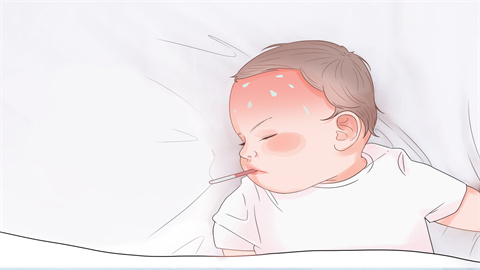
If a child's shaking during a fever manifests as slight tremors in the hands and feet, with small amplitude and fast frequency, and the child remains conscious, able to respond normally to calls and follow commands, it is typically classified as chills or muscle spasms. This is a normal bodily reaction to temperature changes, whereby the body produces heat through muscle contractions to regulate body temperature. It is not a seizure and typically occurs during the phase when body temperature is rising, gradually subsiding once the temperature stabilizes.
If the child experiences shaking accompanied by loss of consciousness, unresponsiveness to calls, staring or upward rolling of the eyes, stiff limbs, large and rhythmic jerking movements, or even symptoms such as foaming at the mouth and clenched jaw, it is likely a seizure. Such situations may be related to conditions like febrile convulsions or intracranial infections and require immediate emergency measures to prevent bodily harm caused by prolonged seizures.
It should be noted that when a shaking child with fever is observed, the first step is to assess their level of consciousness. If it is a seizure, the child should immediately be placed on their side, oral and nasal secretions cleared to prevent suffocation, and prompt medical assistance sought. If the shaking is due to chills, attention should be given to keeping the child warm, monitoring temperature changes, and using children-specific antipyretics when necessary to avoid complications caused by continued temperature elevation.


