


What are the effects of white chrysanthemum flowers?
Jul 14, 2021
Source: Cainiu Health
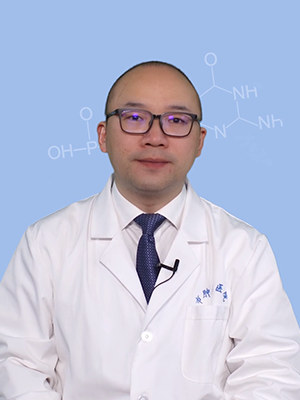
Dr. Jiang Can
Introduction
1. Exerts antibacterial and anti-inflammatory effects by inhibiting the activity of pathogens such as *Streptococcus pneumoniae*, *Staphylococcus albus*, beta-hemolytic *Streptococcus*, and *Staphylococcus aureus*.
2. Lowers blood pressure: White chrysanthemum contains flavonoids and alcohols that help soften blood vessels, remove accumulated cholesterol from vessel walls, and promote blood circulation.
3. Improves vision and protects the eyes: Chrysanthemum is a classic traditional Chinese medicine widely used for treating ophthalmic disorders.
In fact, “white chrysanthemum” is not a distinct chrysanthemum variety. Among the major chrysanthemum varieties used in traditional Chinese medicine, Hangzhou chrysanthemum (Chrysanthemum morifolium ‘Hangju’) is white—hence the term “Hangbaiju” (Hangzhou white chrysanthemum). Regarding Hangbaiju, it is characterized by a cool nature and a sweet-bitter taste, entering the Lung and Liver meridians. Modern pharmacological studies have confirmed that Hangbaiju contains volatile oils, flavonoids, amino acids, vitamins, and minerals, conferring the following therapeutic effects:
1. Antibacterial and Anti-inflammatory Effects
White chrysanthemum exhibits antibacterial and anti-inflammatory properties, as demonstrated by modern pharmacological research. It shows inhibitory activity against several bacteria, including Streptococcus pneumoniae, Staphylococcus albus, beta-hemolytic Streptococcus, and Staphylococcus aureus. Additionally, white chrysanthemum effectively increases capillary permeability and enhances capillary resistance, thereby exerting an excellent anti-inflammatory effect.
2. Hypotensive Effect
White chrysanthemum possesses hypotensive properties. Its flavonoid and alcohol constituents help soften blood vessels, clear cholesterol deposits from vessel walls, and accelerate blood circulation—contributing to a reduction in blood pressure. Moreover, the flavonoids in white chrysanthemum scavenge free radicals, thereby helping delay physiological aging.
3. Vision Enhancement and Ocular Protection
Chrysanthemum is a classic herb in traditional Chinese medicine for treating eye disorders. Individuals who frequently use their eyes—and consequently experience dryness or discomfort—may benefit from regularly drinking chrysanthemum tea to alleviate these symptoms. Chrysanthemum tea is especially suitable for those who spend prolonged periods viewing smartphones or computers, as it effectively relieves visual fatigue and mitigates the adverse effects of blue light on vision.


