Can constipation cause delayed menstruation?
Sep 10, 2025
Source: Cainiu Health

Dr. Zhang Lu
Introduction
In general, whether constipation affects menstrual delay depends on the severity and duration of the constipation. Short-term mild constipation usually does not affect menstrual delay; however, long-term severe constipation may indirectly influence menstrual delay. To prevent constipation from affecting menstruation, it is recommended to maintain a regular diet and consume more foods rich in dietary fiber.
Generally speaking, whether constipation affects menstrual delay depends on the severity and duration of the constipation. Short-term mild constipation usually does not cause menstrual delay, while long-term severe constipation might indirectly lead to delayed menstruation. Detailed analysis is as follows:
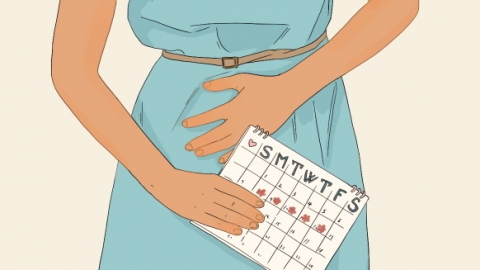
If the constipation is short-term and mild—for example, occasional difficulty defecating for 1–2 days—and can be relieved by adjusting diet and increasing water intake, it has little impact on overall physical condition and will not interfere with the normal functioning of the endocrine system. Therefore, it will not affect the menstrual cycle, and the period will still arrive on time.
However, when long-term severe constipation exists—for example, persistent difficulty defecating for more than a week, with dry and hardened stools—the accumulation of metabolic waste in the intestines may affect the overall metabolic status. Additionally, long-term constipation is often accompanied by symptoms such as abdominal distension and discomfort, which may lead to irritability, anxiety, and other emotional disturbances. These factors can indirectly interfere with the function of the hypothalamic-pituitary-ovarian axis, disrupt hormonal balance, and consequently lead to menstrual delay.
To prevent constipation from affecting menstruation, it is recommended to maintain regular eating habits, consume more fiber-rich foods such as vegetables, fruits, and whole grains, ensure adequate water intake, and develop a habit of defecating at regular times.