


What causes back pain after working for a long time?

Generally, back pain after prolonged physical work may be caused by muscle fatigue or strain, improper posture, back fasciitis, lumbar disc herniation, ankylosing spondylitis, and other conditions. It is recommended to seek medical attention promptly, identify the underlying cause, and receive symptomatic treatment under a doctor's guidance. Specific analyses are as follows:
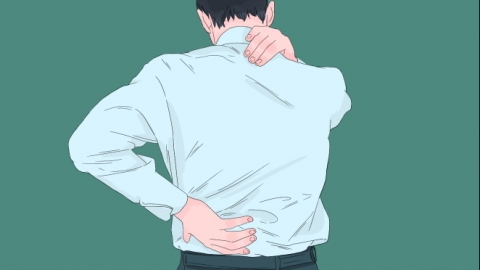
1. Muscle fatigue or strain: Prolonged physical labor causes continuous exertion of the back muscles, excessive energy consumption, and lactic acid buildup, leading to pain. Resting promptly after stopping work, applying heat therapy or gentle massage to the back, and promoting blood circulation can help relieve muscle fatigue. Appropriate stretching of the back muscles may also help relax tension.
2. Improper posture: Incorrect postures during work—such as bending over or twisting the body—can create imbalanced stress on the back muscles, keeping them in a prolonged state of tension and causing pain. Maintaining proper posture while working, avoiding prolonged bending or unilateral strain, and using supportive tools such as lumbar braces can help reduce the burden on back muscles.
3. Back fasciitis: Repeated pulling of the back fascia during long-term labor may lead to aseptic inflammation of the fascia, with inflammatory irritation causing pain that worsens upon pressing. Patients may follow medical advice to use medications such as diclofenac sodium sustained-release tablets, celecoxib capsules, or ibuprofen sustained-release capsules to relieve pain.
4. Lumbar disc herniation: Prolonged physical labor places excessive pressure on the lumbar spine, causing degeneration and protrusion of intervertebral discs, which compress nerve roots and result in radiating back pain, possibly accompanied by numbness in the lower limbs. Patients should follow medical advice to take medications such as mecobalamin tablets, vitamin B1 tablets, or eperisone hydrochloride tablets to nourish nerves and relieve muscle spasms.
5. Ankylosing spondylitis: This is a chronic inflammatory disease; prolonged physical labor may trigger or exacerbate the condition, resulting in back pain that is particularly noticeable upon waking and improves with activity. Patients may follow medical advice to use medications such as sulfasalazine enteric-coated tablets, methotrexate tablets, or etoricoxib tablets to control inflammation.
In daily work, it is important to reasonably manage workload, avoid overexertion, and use appropriate tools to reduce stress on the back. Diet-wise, adequate intake of protein and calcium can help strengthen muscles and bones and reduce the occurrence of back pain.


