


What causes the formation of "eight-shaped" fat on the back?

Generally, the formation of "eight-shaped" fat on the back may be caused by long-term poor posture, lack of exercise, back lipoma, scoliosis, or Cushing's syndrome. It is recommended to seek medical attention promptly, identify the underlying cause, and receive symptomatic treatment under a doctor's guidance. Specific analysis is as follows:
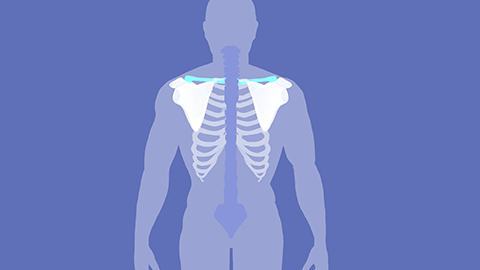
1. Long-term poor posture: Prolonged slouching, hunching, or leaning forward with head down can lead to uneven stress on back muscles, causing compensatory muscle overgrowth and accumulation in certain areas, forming eight-shaped fat deposits. Daily habits should include maintaining an upright sitting and standing posture with chest lifted and head held high. Take breaks every hour during work or study to move around, perform chest-expanding exercises, or stand against a wall to improve posture.
2. Lack of exercise: A sedentary lifestyle slows down metabolism, making it easier for fat to accumulate below the shoulder blades and other areas of the back, resulting in eight-shaped fat. It is recommended to engage in aerobic exercise 3–5 times per week, such as jogging, swimming, or jumping rope, combined with strength training for the back muscles—such as lat pulldowns and rowing exercises—to burn fat and tone the back muscles.
3. Back lipoma: Composed of mature fat cells, lipomas can develop under the skin of the back, appearing as localized, soft, "eight-shaped" lumps. If small and asymptomatic, regular observation may suffice. However, if the lipoma is large or affects appearance, surgical removal (lipoma excision) can be performed to directly eliminate the lesion and improve local contour.
4. Scoliosis: Due to deviation of the spine from its normal midline alignment, muscle and fat distribution on the back becomes uneven, leading to one-sided or bilateral protrusions resembling eight-shaped fat, often accompanied by uneven shoulders. Mild cases can be corrected with braces and spinal correction exercises; moderate to severe scoliosis may require scoliosis corrective surgery to restore normal spinal alignment and improve back shape.
5. Cushing's syndrome: Excess glucocorticoids in the body cause abnormal fat redistribution, leading to fat accumulation in the upper back known as a "buffalo hump," which resembles eight-shaped fat. This condition may also present with central obesity and hypertension. Patients should follow medical advice and may use medications such as bromocriptine mesylate tablets, ketoconazole tablets, or mitotane tablets to manage symptoms.
In daily life, choose loose, breathable clothing to avoid tight garments that compress the back. In terms of diet, reduce intake of high-fat and high-sugar foods, and increase consumption of dietary fiber-rich vegetables and high-quality proteins to help control weight and minimize fat accumulation.


