


What happens if pulpitis is not treated with root canal therapy?
Oct 18, 2025
Source: Cainiu Health

Dr. Liu Chao
Introduction
In general, if pulpitis is left untreated with root canal therapy, it may lead to recurring and worsening pain, trigger apical periodontitis, cause tooth loosening and loss, induce oral space infections, and affect the health of adjacent teeth. It is recommended to maintain good oral hygiene by brushing teeth morning and evening, using dental floss to clean interdental spaces, having regular dental checkups, and seeking timely treatment upon detection of pulpitis.
In general, if pulpitis is not treated with root canal therapy, it may lead to recurring and worsening pain, trigger apical periodontitis, cause tooth loosening and loss, induce oral space infections, and affect the health of adjacent teeth. The specific analysis is as follows:
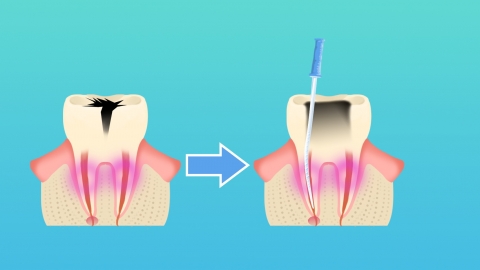
1. Recurring and worsening pain: In cases of pulpitis, the dental pulp tissue is in an inflamed state. Without root canal treatment, the infection cannot be eliminated. Persistent inflammation continues to stimulate the pulp nerves, causing pain to progress from intermittent dull aches to continuous severe pain. This pain becomes particularly noticeable under cold or hot stimulation and during nighttime, significantly interfering with daily eating and sleep.
2. Development of apical periodontitis: Infection within the pulp chamber can spread through the apical foramen to the surrounding periapical tissues, leading to apical periodontitis. Patients may experience pain while biting, swelling in the gum area around the tooth root, and increased pain upon pressure. If the inflammation progresses unchecked, a periapical abscess may form, further aggravating local discomfort.
3. Tooth loosening and loss: Periapical inflammation can destroy the alveolar bone surrounding the tooth root, reducing the tooth's support and leading to progressive loosening. Without timely intervention, alveolar bone destruction will worsen, potentially resulting in irreversible tooth loss and impairing normal chewing function.
4. Induction of oral space infection: If a periapical abscess is left uncontrolled, the infection may spread into the soft tissue spaces around the oral cavity, causing oral space infection. Patients may develop facial swelling and pain; in severe cases, breathing and swallowing may be affected, requiring urgent anti-infective treatment.
5. Impact on adjacent teeth: Bacteria and their metabolic byproducts from the inflammation may spread to neighboring teeth via periodontal spaces or proximal contact areas, leading to caries, gingivitis, or pulp infection in adjacent teeth. This secondary involvement complicates treatment efforts.
It is recommended to maintain good oral hygiene by brushing teeth twice daily, using dental floss to clean interdental spaces, and undergoing regular dental check-ups. Prompt treatment should be sought once pulpitis is detected. After treatment, care should be taken to protect the affected tooth—avoid chewing hard foods with it—to extend its functional lifespan.


