


Why does a tooth still hurt after the nerve has been killed?

In general, a tooth may still experience pain after nerve killing (root canal treatment) due to temporary post-treatment irritation, medication irritation, residual pulpitis, apical periodontitis, or periodontitis. It is recommended to seek timely medical attention, identify the underlying cause, and receive appropriate symptomatic treatment under a doctor's guidance. Specific causes are analyzed as follows:
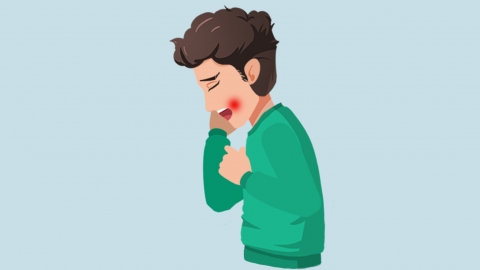
1. Temporary post-treatment irritation: During the nerve-killing procedure, instrument manipulation can irritate the surrounding dental tissues, leading to short-term pain after surgery. Usually, no special treatment is required. Avoid chewing hard foods with the affected tooth and maintain good oral hygiene; the pain will gradually subside.
2. Medication irritation: Medications used during the nerve-killing process may irritate the periapical tissues, causing pain. Drinking more water can help promote drug metabolism. Also, avoid exposing the affected tooth to hot or cold stimuli. If the pain is mild, it typically resolves on its own within a few days.
3. Residual pulpitis: Incomplete removal of the dental pulp leaves a small amount of pulp tissue inside the tooth, which may become inflamed upon stimulation, resulting in pain. Patients may follow medical advice to take medications such as ibuprofen sustained-release capsules, acetaminophen tablets, or metronidazole tablets to relieve pain. If necessary, root canal retreatment may be required to remove the remaining pulp tissue.
4. Apical periodontitis: After nerve killing, if bacteria at the root tip are not completely eliminated, inflammation of the periapical tissues may occur, causing pain. Patients should follow medical instructions to use antibiotics such as amoxicillin capsules, cefuroxime axetil tablets, or ornidazole capsules to control infection. If an abscess forms, surgical incision and drainage of the periapical abscess may be needed to drain pus and alleviate symptoms.
5. Periodontitis: Poor periodontal hygiene after nerve treatment can lead to bacterial growth and periodontitis, which may also cause pain. Patients may follow medical advice to take medications such as doxycycline hydrochloride tablets, metronidazole buccal tablets, or tinidazole tablets. Additionally, periodontal scaling and root planing should be performed to remove tartar and plaque and control periodontal inflammation.
Routine oral care is essential. Brush teeth twice daily, use dental floss to clean interdental spaces, have regular dental checkups and professional cleanings, and avoid dental trauma and excessive wear to maintain overall oral health.


