


牙龈刷牙出血是WhatCause

Under normal circumstances, bleeding gums during tooth brushing may be caused by improper brushing techniques, vitamin deficiencies, chronic gingivitis, pregnancy-related gingivitis, periodontitis, or other reasons. It is recommended to seek medical attention promptly, identify the underlying cause, and receive appropriate treatment under a doctor's guidance. Specific analyses are as follows:
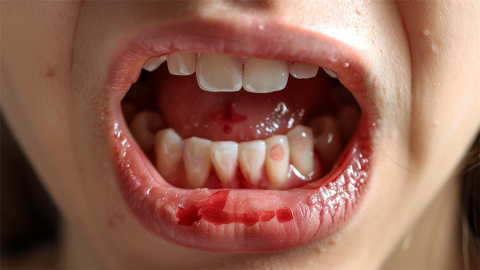
1. Improper brushing technique: Brushing too hard or using a toothbrush with excessively stiff bristles can easily irritate gum tissue and damage the gingival mucosa, leading to bleeding. It is advisable to switch to a soft-bristled toothbrush and use the Bass brushing method—holding the toothbrush at a 45-degree angle to the tooth surface and brushing gently without applying excessive force.
2. Vitamin deficiency: Long-term dietary imbalance and lack of nutrients such as vitamin C and vitamin K can reduce the resistance of gum tissues and increase blood vessel fragility, making bleeding during brushing more likely. Adjust the diet by consuming more fresh fruits and vegetables rich in vitamins.
3. Chronic gingivitis: Mainly caused by plaque and tartar buildup irritating the gums, this condition is characterized by redness, swelling, and softening of the gums, with easy bleeding during brushing. Patients may follow medical advice to use medications such as compound chlorhexidine mouthwash, hydrogen peroxide solution, or iodine glycerin for treatment.
4. Pregnancy gingivitis: Hormonal changes during pregnancy heighten the gums' sensitivity to local irritants, leading to inflammation with symptoms such as bleeding and swelling. Patients should enhance oral hygiene, rinse their mouth after meals, and may use mild mouthwashes under medical supervision. Symptoms typically gradually improve after delivery when hormone levels return to normal.
5. Periodontitis: Developed from chronic gingivitis, this condition involves dental plaque invading deeper periodontal tissues, damaging the periodontal ligament and alveolar bone. In addition to bleeding during brushing, patients may also develop periodontal pockets and loose teeth. Medical treatment may include antibiotics such as metronidazole tablets, amoxicillin capsules, or doxycycline hydrochloride tablets to control infection, as directed by a physician.
In daily life, maintain good oral hygiene habits: brush teeth twice daily (morning and night), rinse the mouth after meals, and have regular dental checkups and professional cleanings. Avoid smoking and alcohol consumption to reduce gum irritation, and maintain a light diet, avoiding excessive intake of spicy or irritating foods.


