


What should I do if my jaw is swollen due to a toothache?
Oct 27, 2025
Source: Cainiu Health

Dr. Liu Chao
Introduction
In general, jaw swelling accompanied by toothache may be caused by long-term consumption of spicy and irritating foods, inadequate oral hygiene, gingivitis, periapical periodontitis, or pericoronitis of wisdom teeth. It is recommended to seek medical attention promptly, identify the underlying cause, and then improve the condition under a doctor's guidance through conservative management, medication, surgical treatment, or other appropriate methods. In daily life, avoid chewing with the affected side of the mouth to reduce stress on the affected area.
Under normal circumstances, toothache accompanied by jaw swelling may be caused by long-term consumption of spicy and irritating foods, inadequate oral hygiene, gingivitis, apical periodontitis, or pericoronitis of wisdom teeth. It is recommended to seek medical attention promptly, identify the underlying cause, and improve symptoms under a doctor's guidance through general management, medication, surgical treatment, or other methods. Specific analyses are as follows:
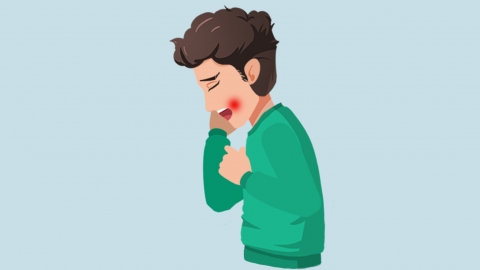
1. Long-term consumption of spicy and irritating foods: Frequent intake of spicy foods such as chili peppers, ginger, and garlic can irritate the gums and soft tissues of the jaw, leading to local congestion and swelling, along with tooth pain. Adjust your diet immediately by focusing on mild, cool foods such as porridge, vegetable soup, apples, and drink plenty of warm water.
2. Inadequate oral hygiene: Delayed or improper brushing allows food debris and plaque to accumulate between teeth and gums, promoting bacterial growth that irritates tissues, resulting in toothache and jaw swelling. Brush teeth twice daily (morning and night) using a soft-bristled toothbrush and the Bass brushing technique for three minutes each time, and clean interdental spaces with dental floss after meals.
3. Gingivitis: Inflammation caused by dental plaque and tartar irritating the gums manifests as redness, swelling of the gums, and bleeding during brushing. If inflammation spreads, it can lead to jaw swelling and tooth pain. Patients should follow medical advice to take medications such as metronidazole tablets, amoxicillin capsules, or cefuroxime axetil tablets to control the infection.
4. Apical periodontitis: Untreated dental caries allow bacteria to invade the dental pulp and spread to the root apex, causing periapical inflammation. As the inflammation extends, it leads to jaw swelling and intensified tooth pain when biting. Root canal treatment is required to remove infected tissue at the root tip and eliminate inflammation.
5. Pericoronitis of wisdom teeth: When a wisdom tooth erupts incompletely, a blind pocket forms around the crown, allowing food debris to accumulate and trigger inflammation, resulting in tooth pain and jaw swelling. Severe cases may also involve difficulty opening the mouth. Patients should follow medical advice to take medications such as cefixime dispersible tablets, metronidazole tablets, or ibuprofen sustained-release capsules to manage inflammation and pain.
In daily life, avoid chewing food with the affected side of the mouth to reduce stress on the painful area; quit smoking and alcohol consumption to prevent worsening of inflammation. Regular dental check-ups are essential to detect and address dental problems early. Proper oral care can help alleviate symptoms of toothache and jaw swelling and maintain overall oral health.


