


Can HPV infection of the skin be transmitted to the cervix?

Skin infection with HPV may potentially transmit to the cervix, but this does not occur in all cases. The transmission largely depends on the mode of spread and the type of virus involved. If concerned, it is advisable to consult a healthcare provider early. Detailed explanations are as follows:
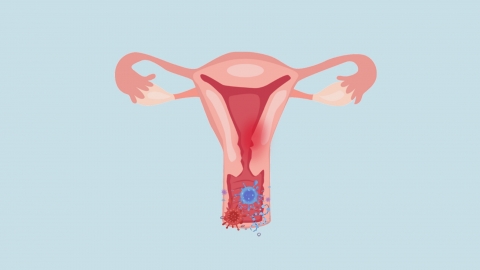
Transmission is more likely when there is direct or indirect contact between infected skin areas and the cervix—for example, touching a skin area infected with HPV and then touching the cervix, or during intimate contact when an infected skin area comes into direct contact with the cervix, allowing the virus to transfer. If the HPV type present on the skin is capable of colonizing mucosal tissues, it may establish infection in the cervix, thereby increasing the risk of cervical lesions.
Transmission is less likely when the HPV type infecting the skin is only adapted to survive on the outer skin layers and cannot replicate in the cervical mucosa; even if contact occurs, the virus is unlikely to establish itself in the cervix. Additionally, maintaining good hygiene and protective measures to prevent contact between infected skin areas and the cervix can significantly reduce the chance of viral transmission, making cervical infection unlikely in such cases.
Regular cervical health screenings are recommended to monitor for HPV infection or any cervical changes. Seek medical attention promptly if any symptoms arise, and follow professional advice for appropriate intervention and prevention.


