


What are the allergic symptoms of levofloxacin hydrochloride?
Nov 06, 2025
Source: Cainiu Health

Dr. Yang Ziqi
Introduction
Levofloxacin hydrochloride is a broad-spectrum antibiotic used to treat various bacterial infections, commonly available in tablet and capsule forms. Generally, allergic reactions to levofloxacin hydrochloride mainly manifest as skin symptoms, respiratory symptoms, gastrointestinal symptoms, ocular symptoms, and local reactions, with severity varying among individuals.
Levofloxacin hydrochloride is a broad-spectrum antibiotic used to treat various bacterial infections, commonly available in tablet and capsule forms. Generally, allergic reactions to levofloxacin hydrochloride mainly manifest as skin symptoms, respiratory symptoms, gastrointestinal symptoms, ocular symptoms, and local reactions, with severity varying among individuals. The specific manifestations are as follows:
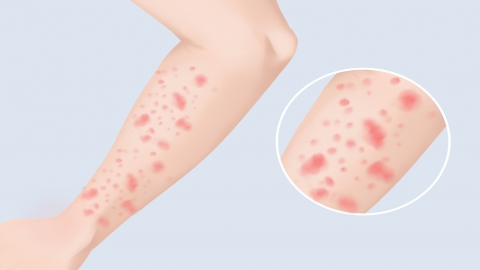
1. Skin symptoms: Common manifestations include itching, erythema, and urticaria, presenting as wheals of varying sizes on localized or generalized skin areas accompanied by significant pruritus. Some patients may develop papules or vesicles; in severe cases, vesicle rupture can lead to erosion and exudation.
2. Respiratory symptoms: Symptoms such as nasal congestion, runny nose, and sneezing—resembling those of the common cold—may occur. In more severe cases, chest tightness, wheezing, and rapid breathing may develop. Edema of the airway mucosa could impair breathing and requires prompt intervention.
3. Gastrointestinal symptoms: A minority of patients may experience discomfort such as nausea, vomiting, abdominal pain, and diarrhea. Vomitus typically consists of gastric contents, and diarrhea is often watery, related to allergic irritation of the gastrointestinal mucosa.
4. Ocular symptoms: Allergic reactions may affect the ocular mucosa, causing conjunctival hyperemia, itching, and increased secretions. Some patients may also develop eyelid swelling, which can impair vision or cause ocular discomfort.
5. Local reactions: When administered via injection, the injection site may become red, swollen, painful, or itchy, and local rashes or induration may occur. In severe cases, ulceration or necrosis at the injection site may develop.
Before use, it is essential to confirm whether there is a history of allergy to quinolone antibiotics; patients with known allergies should avoid this medication. If allergic symptoms occur during treatment, administration should be stopped immediately and appropriate measures taken. The drug should be stored properly in daily life to prevent accidental ingestion, and injections must be administered in professional medical settings to ensure safety.




