


How to differentiate between birthmarks and hemangiomas

In general, birthmarks and hemangiomas can be differentiated based on factors such as time of appearance, growth characteristics, visual features, response to pressure, and tendency to regress. There are clear differences between the two in both nature and presentation. The specific analysis is as follows:
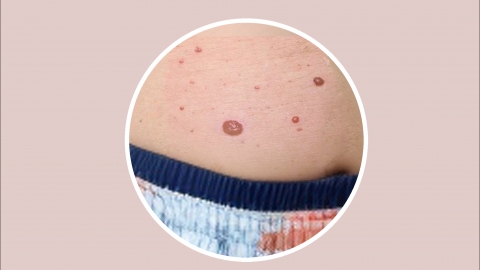
1. Time of appearance: Birthmarks usually appear at birth or shortly after, with some gradually becoming visible within a few months after birth—thus having a relatively fixed onset time. Hemangiomas typically appear 1–3 months after birth, although a minority may be present at birth, making their onset slightly later than most birthmarks.
2. Growth characteristics: Birthmarks grow slowly and remain stable in size and shape over time, without rapid enlargement, progressing roughly in line with overall physical development. Hemangiomas enter a phase of rapid proliferation during the first 3–6 months after birth, during which they increase quickly in size and become more intensely colored, followed by a potential stabilization phase or gradual regression.
3. Visual appearance: Birthmarks vary in color—including black, brown, blue, and red—with irregular shapes, usually well-defined borders, smooth surfaces, and are either level with or slightly raised above the surrounding skin. Hemangiomas are primarily red or purplish-red, often have indistinct borders, and commonly appear elevated, with some feeling soft to the touch.
4. Response to pressure: When pressed, birthmarks typically do not fade in color, or may only show slight and temporary lightening before quickly returning to their original color upon release. In contrast, hemangiomas noticeably lighten when compressed—sometimes turning pale pink or white—and rapidly regain their original red or purplish-red hue once pressure is released due to quick blood reflow.
5. Tendency to regress: Most birthmarks persist for life and do not resolve spontaneously. A few pigmented types may fade slightly with age but will not disappear completely. Some hemangiomas, especially superficial types in infants, can regress spontaneously and may gradually shrink and fade by ages 5–7.
In daily life, it's important to monitor any changes in abnormal skin patches and avoid frequent friction or irritation. For lesions that grow rapidly or affect appearance, professional evaluation should be sought to determine the nature and guide appropriate management.


