


Can anxiety cause high blood pressure?

Anxiety disorder may trigger elevated blood pressure. During an anxiety episode, the body initiates a stress response that activates the sympathetic nervous system and increases hormone secretion, leading to blood vessel constriction and a faster heart rate, ultimately causing a temporary rise in blood pressure. This phenomenon is relatively common among individuals with anxiety disorders. If blood pressure frequently increases or is accompanied by chest tightness or dizziness, prompt medical attention is recommended.
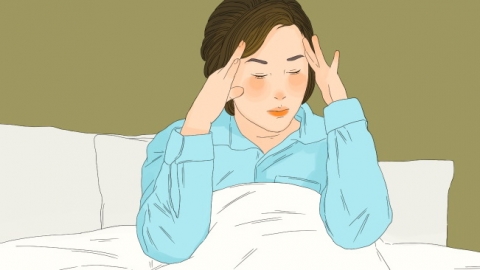
Anxious emotions stimulate the brain to release stress hormones such as adrenaline and noradrenaline. These hormones affect the cardiovascular system by causing peripheral blood vessels to constrict and increasing peripheral resistance. At the same time, they accelerate heart rate and enhance myocardial contractility, resulting in a rapid increase in blood pressure, with the degree of elevation often correlating with the severity of anxiety.
This type of blood pressure increase is mostly temporary. Once anxiety subsides and the stress state resolves, hormone levels gradually return to normal, blood vessels dilate, heart rate slows down, and blood pressure subsequently falls back to normal ranges. However, it's important to note that if anxiety disorder remains uncontrolled over the long term, repeated episodes of high blood pressure can place extra strain on blood vessels, potentially increasing the risk of developing chronic hypertension and negatively impacting cardiovascular health.
In daily life, managing emotions through calming music, meditation, and similar techniques can help prevent prolonged states of tension and anxiety. Regularly monitoring and recording blood pressure changes, maintaining a light diet, and engaging in moderate physical activity can also support stable blood pressure and emotional well-being.


