


Is it still safe to eat scallops that have been soaked in clean water overnight?

Generally, whether scallops soaked in water overnight are still edible depends on the specific condition of the scallops and the storage environment. If there is any doubt or if the scallops show signs of spoilage, it is recommended to discard them to ensure safety. The detailed analysis is as follows:
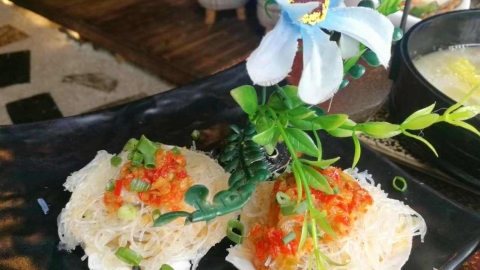
If the scallops were soaked in a cool environment, have tightly closed shells that slowly open and close when touched, have no unpleasant odor, and possess firm, elastic flesh, they are safe to eat. A low temperature helps inhibit bacterial growth, and soaking in clean water allows the scallops to expel sand and remain fresh. After thorough washing and complete cooking, they can be safely consumed without health risks.
However, if the soaking environment was warm, or after soaking the shells remain open and fail to close, do not react when touched, emit a fishy or foul smell, or have slimy, soft, mushy flesh, the scallops should not be eaten. High temperatures promote rapid bacterial growth, and the scallops may have spoiled. Consuming them could lead to gastrointestinal discomfort such as diarrhea or abdominal pain, posing a risk to health.
When soaking scallops, always use clean, clear water—avoid turbid or contaminated water. If room temperature is high, store the scallops in the refrigerator during soaking. Before cooking, thoroughly rinse the scallops and remove the internal organs and sand. Scallops must be fully cooked before consumption; never eat them raw. If you are uncertain about their freshness, it is best to discard them rather than risk eating spoiled seafood.


