


How to protect against X-ray radiation

Protection against X-ray radiation can be achieved by controlling the frequency of examinations, using protective equipment, maintaining a safe distance, optimizing examination protocols, and enhancing individual protection. It is important to scientifically avoid unnecessary X-ray exposure in daily life to reduce radiation risks. If frequent X-ray examinations are required due to medical conditions, it is advisable to consult a doctor to assess the cumulative effects of radiation exposure.
1. Control examination frequency: Avoid unnecessary X-ray examinations to prevent increased radiation exposure from excessive health screenings or repeated tests. Only undergo X-ray examinations when clearly indicated for diagnosis and according to medical guidelines, thereby minimizing unnecessary radiation exposure.
2. Use protective equipment: During X-ray examinations, actively request healthcare providers to supply protective gear such as lead aprons, lead caps, and lead thyroid collars. Cover non-examined areas—especially sensitive regions like the thyroid gland and reproductive organs—to reduce radiation impact on healthy tissues.
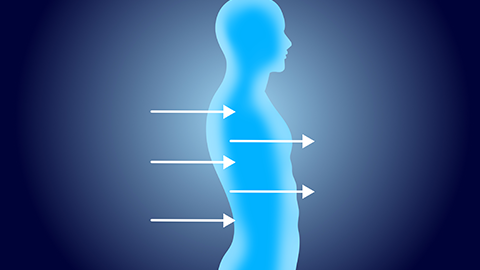
3. Maintain a safe distance: Non-examinees should avoid staying in X-ray examination rooms. Maintain a safe distance from the equipment during scanning, and only re-enter the room after the procedure is completed and the device has been turned off, to minimize indirect radiation exposure.
4. Optimize examination protocols: When multiple diagnostic options are available, prioritize imaging methods without ionizing radiation—such as ultrasound or magnetic resonance imaging (MRI). Where diagnostically appropriate, use these alternatives to replace some X-ray examinations and reduce overall radiation dose.
5. Strengthen individual protection: Avoid contact with non-medical X-ray devices in daily life. Individuals working with X-rays should undergo regular health monitoring, wear personal radiation dosimeters as required, and strictly follow occupational safety protocols.
In daily life, increase intake of fresh fruits and vegetables rich in vitamin C and vitamin E, maintain regular sleep patterns to enhance metabolic function, avoid excessive fatigue, and support overall bodily functions through a healthy lifestyle to mitigate potential radiation effects.


