


What does it mean to have an HPV infection on the head?

In general, HPV infection on the scalp may be caused by factors such as scalp injuries or breaks in the skin, poor personal hygiene, common warts, flat warts, or genital warts. It is recommended to seek medical attention promptly, identify the underlying cause, and receive appropriate treatment under a doctor's guidance. Specific analysis is as follows:
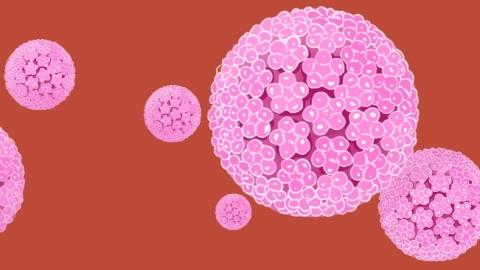
1. Scalp trauma or skin breakage: When the scalp sustains cuts, scrapes, or other wounds, HPV can easily invade through these damaged areas and infect the skin or mucous membranes. Protect the scalp in daily life, avoid scratching that may cause injury, disinfect wounds promptly with iodophor, and keep wounds clean and dry to reduce the risk of infection.
2. Poor personal hygiene: Failure to wash hair regularly or sharing personal items such as towels and combs may lead to HPV accumulation or cross-infection on the scalp. Develop a habit of washing hair regularly, use mild shampoo products, and use personal items like towels and combs exclusively to avoid sharing with others, thereby reducing the risk of cross-infection.
3. Common warts: HPV infects keratinocytes in the scalp, causing abnormal local cell proliferation and forming rough, raised wart-like growths, sometimes accompanied by mild itching. Patients may apply medications such as imiquimod cream, fluorouracil ointment, or tretinoin cream as directed by a physician to suppress viral replication. Cryotherapy may also be used to remove the warts.
4. Flat warts: Caused by low-risk types of HPV infection, these appear as flat, light brown small papules on the scalp and may occur in clusters. Under medical supervision, treatments such as recombinant human interferon α-2b gel,酞丁安乳膏 (phtalidine acetic acid cream), or tretinoin cream may be used to regulate local immunity and inhibit the virus. Laser therapy can also be employed to eliminate the warts.
5. Genital warts: Often caused by high-risk types of HPV, these manifest as cauliflower-like or papillomatous growths on the scalp, which may ulcerate and bleed. Treatment should follow medical advice using podophyllotoxin solution, imiquimod cream, or recombinant human interferon α-2b gel. In severe cases, high-frequency electrocautery surgery may be performed to excise the affected tissue and prevent viral spread.
Daily care should focus on strengthening scalp protection and avoiding frequent perming or dyeing of hair, which can damage the scalp barrier. Regularly check the condition of the scalp, and address any abnormal growths promptly. Additionally, engage in regular physical exercise to enhance immune function, helping the body resist viral infections and maintain scalp health.


