


Which groups of people should not eat wild scallions?

Generally speaking, wild scallions are a wild edible ingredient that is not suitable for everyone. Those who should avoid consuming them include individuals with gastrointestinal disorders, allergic constitutions, eye conditions, pregnant women, and those with internal heat syndromes. The specific reasons are as follows:
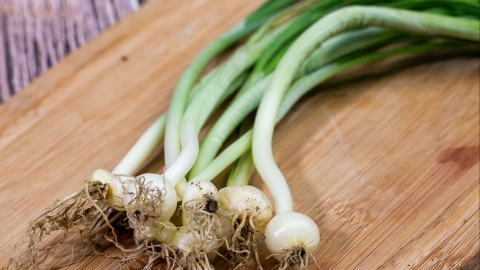
1. Patients with gastrointestinal diseases: Wild scallions contain volatile oils and pungent compounds that can irritate the gastrointestinal mucosa. Consumption may worsen stomach discomfort, leading to symptoms such as gastric pain, acid reflux, and diarrhea. Individuals with gastric ulcers or gastritis should strictly avoid them.
2. People with allergic tendencies: Some individuals may be allergic to components in wild scallions. After consumption, they might experience allergic reactions such as skin itching, rashes, or sore throat. In severe cases, breathing could be affected, so this group must completely avoid eating them.
3. Patients with eye diseases: According to Traditional Chinese Medicine (TCM), wild scallions are warm in nature and pungent in flavor, which may "fuel internal fire and heat." Consuming them may exacerbate eye inflammation, causing symptoms like redness, dryness, and pain in the eyes, thus hindering recovery.
4. Pregnant women: Wild scallions are spicy and stimulating. Moreover, their sources are often uncontrolled, posing potential risks of pesticide residues or heavy metal contamination. Consumption may irritate the digestive tract and cause discomfort, potentially affecting fetal health; therefore, pregnant women should exercise caution and avoid intake.
5. Individuals with internal heat constitution: Wild scallions are warming in nature. Those with an inherently overheated constitution often suffer from symptoms such as dry mouth, sore throat, and constipation. Eating wild scallions may further increase internal heat, intensifying discomfort and disrupting bodily balance.
Before consuming wild scallions, ensure accurate identification, safe sourcing, and freshness. Blanching them during cooking can help reduce pungency. Pairing with cooling ingredients may help neutralize their warming properties. Intake should be moderate and based on individual constitution to prevent health issues caused by indiscriminate consumption.


