


Can you eat shepherd's purse leaves with white spots after cooking?

Generally, whether shepherd's purse with white spots on its leaves is safe to eat after cooking depends on the cause of the spots and the specific circumstances. If in doubt or if discomfort occurs after consumption, it is advisable to seek medical attention promptly. The detailed analysis is as follows:
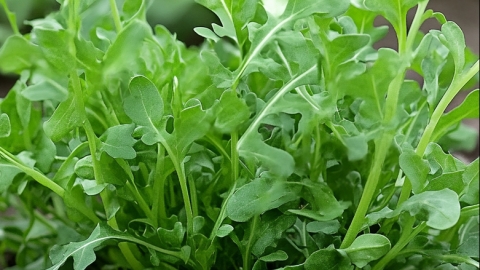
If the white spots on the shepherd's purse leaves are scattered and merely represent a natural waxy layer on the leaf surface or slight dried sap, and if the overall appearance of the plant is fresh, without yellowing, rotting, or unpleasant odor, and there are no insect eggs or fungal hyphae on the undersides of the leaves, these spots are typically a normal physiological phenomenon. After thorough washing and proper cooking, such shepherd's purse is generally safe to consume. High-temperature cooking can further remove surface impurities and does not pose health risks, while still preserving the vegetable’s flavor and nutritional value.
If the white spots are densely distributed, accompanied by curled or brittle leaves, visible mold spots or aphids on the undersides, or an unusual odor, the spots likely indicate fungal infection or pest secretions. In such cases, the shepherd's purse should not be consumed even after cooking. Pathogens and pests may produce harmful substances that cannot be fully eliminated by heat, potentially causing gastrointestinal discomfort or other health issues if eaten.
When harvesting or purchasing shepherd's purse, carefully inspect the condition of the leaves, preferably choosing specimens that are free of spots and are fresh and intact. If only minor natural spots are found, rinse thoroughly with clean water to remove surface contaminants. If there is any doubt about the quality of the shepherd's purse before cooking, it is best not to consume it—even after washing and cooking—to avoid potential health risks from eating contaminated greens.


