


What happens if you eat six century eggs a day?

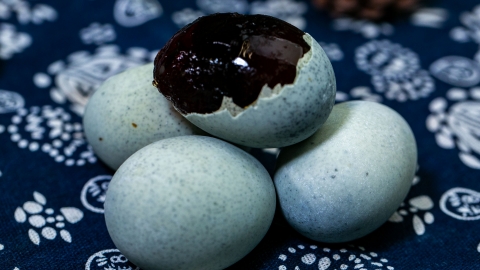
Eating six preserved eggs (century eggs) in one day may lead to excessive lead intake, increased kidney burden, gastrointestinal discomfort, nutritional imbalance, and higher cardiovascular risks. Consumption should be strictly limited. If symptoms such as abdominal pain, nausea, dizziness, or joint pain occur after eating, medical attention is recommended.
1. Excessive lead intake: Traditionally processed preserved eggs often contain lead. Even "lead-free" preserved eggs may contain trace amounts. Consuming six in a day can cause lead accumulation, potentially damaging the nervous system. Children may experience impaired intellectual development, while adults may suffer from dizziness and reduced memory.
2. Increased kidney burden: Preserved eggs are high in sodium. The sodium content in six preserved eggs far exceeds the daily recommended intake, increasing the metabolic load on the kidneys. Long-term overconsumption may trigger edema and poses greater risks for patients with nephritis or hypertensive kidney disease.
3. Gastrointestinal discomfort: Preserved eggs are processed with alkaline substances. Excessive consumption can irritate the gastric mucosa, disrupt gastric acid secretion, and lead to symptoms such as nausea, vomiting, abdominal pain, and diarrhea. Individuals with spleen and stomach deficiency-cold are more susceptible.
4. Nutritional imbalance: Nutrients such as protein are partially lost during processing. Overeating preserved eggs reduces room for other foods, leading to deficiencies in vitamins and dietary fiber, which may result in long-term nutritional imbalances.
5. Increased cardiovascular risk: High sodium intake can elevate blood pressure. The sodium content in six preserved eggs may cause blood pressure fluctuations, increasing the long-term risk of cardiovascular diseases such as atherosclerosis and coronary heart disease.
In daily consumption, preserved egg intake should be limited to no more than 1–2 per week; lead-free products are preferred. When eating preserved eggs, pair them with vinegar and minced ginger to reduce irritation. Avoid consuming on an empty stomach, and instead combine with vegetables and staple foods to maintain balanced nutrition.


