


Is it beneficial to the body to eat fava beans regularly over a long period?

Eating fava beans in moderation over the long term offers several health benefits, including supplying high-quality plant protein, providing various vitamins, replenishing minerals, increasing dietary fiber intake, and helping stabilize blood glucose levels. Here is a detailed analysis:
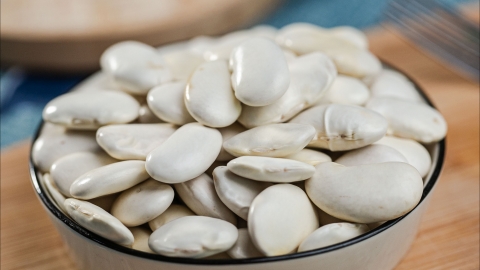
1. **Supplement high-quality plant protein**: Fava beans are rich in plant-based protein with a relatively balanced amino acid profile that is easily digested and absorbed by the body. Regular, moderate consumption can serve as a good source of quality protein, providing essential materials for tissue repair, and the synthesis of enzymes and hormones.
2. **Provide various vitamins**: Fava beans are abundant in B-complex vitamins (such as vitamin B1, B2, and folate), which play key roles in energy metabolism and cell growth. Long-term consumption helps maintain normal nervous system function and promotes red blood cell production.
3. **Replenish minerals**: Fava beans contain multiple essential minerals such as potassium, magnesium, iron, and zinc. Potassium helps maintain normal heart rhythm and stable blood pressure; magnesium participates in bone formation and muscle contraction; iron is a crucial component of hemoglobin, and regular intake may help prevent iron-deficiency anemia.
4. **Increase dietary fiber intake**: Fava beans are rich in dietary fiber, including both soluble and insoluble types. Long-term consumption promotes intestinal motility, increases stool bulk, helps relieve constipation, and slows down the rate of food digestion and absorption, thereby reducing post-meal blood sugar fluctuations.
5. **Help stabilize blood glucose**: Fava beans have a low glycemic index and are rich in dietary fiber and protein, which delay the breakdown and absorption of carbohydrates. Regular, moderate consumption can help control the rise in blood sugar after meals, making them suitable for individuals managing blood glucose levels, such as people with diabetes.
When consuming fava beans regularly, it's important to control portion sizes, as excessive intake may cause bloating due to high fiber content. Individuals who are allergic to fava beans or suffer from glucose-6-phosphate dehydrogenase (G6PD) deficiency (also known as favism) should avoid eating them entirely.


