


Is it harmful to eat only fish and no other types of meat?

In general, whether eating only fish and no other types of meat has any impact depends on an individual's overall dietary pattern, nutritional needs, and health status. If discomfort occurs, it is recommended to seek medical advice promptly and consult a nutritionist. The specific analysis is as follows:
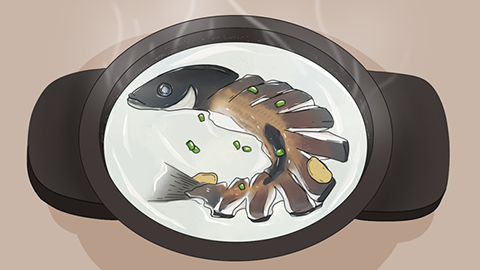
If an individual maintains a balanced overall diet, can obtain sufficient protein, iron, and B vitamins from sources such as eggs, dairy products, and soy-based foods, consumes a diverse and adequate amount of fish daily, and has no underlying medical conditions, then eating only fish and avoiding other meats typically does not have adverse effects. Fish is rich in high-quality protein and unsaturated fatty acids, which are easily absorbed by the body, and it helps reduce intake of saturated fat from red meat, aligning with healthy dietary recommendations.
However, if one’s diet is monotonous, relying solely on fish for nutrition without including other foods rich in iron, zinc, and vitamin B12, or if only a limited variety of fish is consumed over a long period, this may lead to nutritional imbalances, potentially causing iron-deficiency anemia or zinc deficiency. Additionally, individuals with high uric acid levels or gout may experience worsened symptoms if they consume excessive amounts of certain high-purine fish. In such cases, eating only fish while excluding other meats could negatively affect health.
In daily life, it is important to vary the types of fish consumed and avoid eating only one type over extended periods. Fish should be consumed alongside vegetables, fruits, whole grains, and other high-quality protein sources to ensure comprehensive nutrition. Individuals with chronic medical conditions should select appropriate types and amounts of fish based on their personal health status and consult healthcare professionals when necessary.


