


How should individuals with yin deficiency nourish themselves through diet in autumn?

For individuals with yin deficiency, autumn dietary tonics may generally include ingredients such as tremella (silver ear fungus), lily bulbs, pears, dwarf lilyturf root (Ophiopogon), and black sesame seeds—chosen for their ability to nourish yin, moisten dryness, and align with seasonal needs. Specific details are as follows:
1. **Tremella (Silver Ear Fungus)**: Mild and sweet in taste, tremella nourishes the lungs and stomach by enriching yin and promoting body fluid production. During the dry autumn climate, individuals with yin deficiency often experience symptoms like dry mouth and parched skin. Consuming tremella—prepared as a soup or cold dish—helps replenish yin fluids and alleviate discomfort caused by dryness. Its nature is gentle and will not exacerbate internal heat due to deficiency.
2. **Lily Bulbs**: Lily bulbs nourish lung yin, moisten dryness, calm the mind, and relieve restlessness. They are suitable for people with yin deficiency who suffer from dry cough due to lung dryness or irritability with insomnia. When consumed in autumn, they help nourish lung yin, improve symptoms such as dry cough with little phlegm, and ease emotional agitation caused by yin deficiency. They can be cooked with congee or soups for easy digestion and absorption.
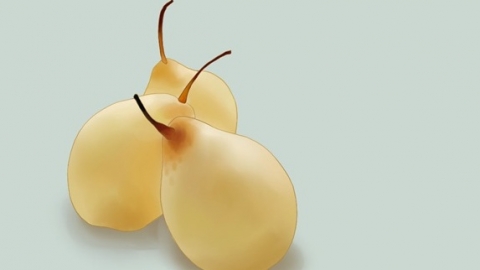
3. **Pears**: Pears are cool in nature, sweet, and slightly sour, possessing properties that generate fluids, relieve dryness, clear heat, and resolve phlegm. Yin-deficient individuals often have insufficient body fluids during autumn. Eating raw pears or drinking pear-infused water can quickly replenish moisture and yin, alleviating symptoms such as dry mouth, throat irritation, and thirst. Pears are thus a common ingredient for nourishing yin in autumn.
4. **Dwarf Lilyturf Root (Mai Dong - Ophiopogon japonicus)**: This herb nourishes yin, promotes fluid production, moistens the lungs, and clears the heart. For those with yin deficiency, steeping it in water or cooking it into porridge during autumn helps nourish stomach and lung yin, improving symptoms such as hunger without appetite, dry mouth, and sore throat. Its yin-nourishing effect is mild yet long-lasting, making it suitable for prolonged, moderate consumption in line with autumn’s need for yin support.
5. **Black Sesame Seeds**: Sweet in taste and neutral in nature, black sesame seeds tonify the kidneys, enrich yin, and nourish essence and blood. Yin deficiency is often accompanied by kidney essence deficiency. Consuming black sesame seeds in autumn—ground into powder and taken with water or added to congee—not only moistens dryness and nourishes yin but also replenishes kidney essence, helping relieve dizziness, blurred vision, premature graying of hair, and other related issues. It combines yin-nourishing and tonic benefits effectively.
Dietary tonification should follow the principle of moderation; excessive intake of any single ingredient should be avoided. In autumn, it is advisable to avoid spicy, hot, warming, or drying foods, which may deplete yin fluids.


