


Can patients with uterine fibroids eat sea cucumber and abalone?

In general, patients with uterine fibroids can moderately consume sea cucumber and abalone. These foods do not directly stimulate fibroid growth and can provide nutritional benefits, although intake quantity and cooking methods should be carefully controlled. Detailed analysis is as follows:
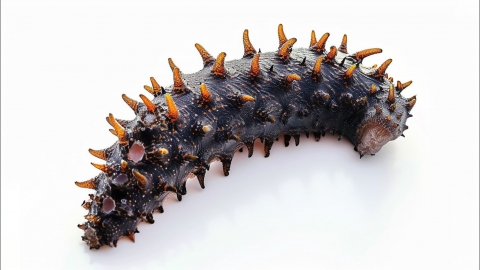
Sea cucumber and abalone are both high-quality, protein-rich foods that are rich in various minerals and amino acids, helping to nourish the body and enhance physical health. In terms of composition, neither contains hormonal components known to stimulate fibroid growth, and there is no direct association between these foods and the development of uterine fibroids. Moderate consumption will not lead to fibroid enlargement or malignant transformation.
However, intake should be controlled. Sea cucumber and abalone are considered tonic foods, and excessive consumption may increase the digestive burden on the gastrointestinal tract. Patients with weak spleen and stomach function may experience discomfort such as bloating or indigestion. Additionally, cooking methods should be light and清淡—avoid frying, braising in heavy sauces, or spicy seasonings—to reduce intake of fats and irritants and minimize metabolic strain on the body.
Patients with uterine fibroids should maintain a balanced and varied diet. In addition to moderate intake of high-quality proteins, they should also consume plenty of fresh vegetables and whole grains, while reducing sugary, high-fat, and spicy or irritating foods. Maintaining regular daily routines further supports effective disease management and overall health.


