


Is the body temperature elevated throughout the entire day during ovulation?

Under normal circumstances, the rise in body temperature during ovulation does not occur suddenly or remain elevated throughout the entire day. Instead, basal body temperature shows a sustained increase after ovulation and remains at a higher level around the clock until just before the next menstrual period begins. The details are as follows:
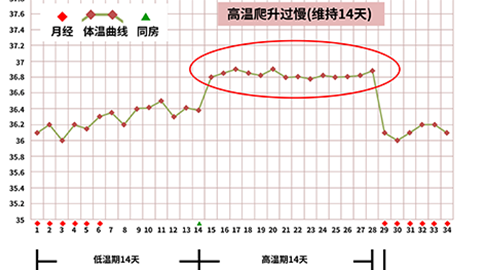
A woman's basal body temperature fluctuates with her menstrual cycle. Before ovulation, basal body temperature is relatively low. After ovulation, due to increased levels of progesterone, basal body temperature rises by 0.3–0.5°C. This temperature increase does not happen instantly, but gradually rises over 1–2 days following ovulation to reach a higher plateau. Once this elevated level is achieved, body temperature remains consistently higher throughout the day and night—whether during daytime activities or nighttime rest—compared to the pre-ovulatory phase.
To accurately measure basal body temperature, it should be taken every morning immediately upon waking and before engaging in any physical activity, ensuring an accurate reflection of temperature trends. During the day, temporary fluctuations in temperature may occur due to physical activity, eating, or changes in ambient temperature; however, the overall high baseline temperature state remains unchanged.


