


Why do women experience painful intercourse after their fifties?

Women over the age of fifty may experience painful intercourse due to declining estrogen levels, psychological factors, atrophic vaginitis, vulvovaginal candidiasis, pelvic inflammatory disease, and other causes. Symptoms can be improved through local moisturizing, psychological adjustment, and medication. If pain worsens or is accompanied by abnormal discharge, prompt medical attention is necessary.
1. Declining Estrogen Levels: After menopause, reduced estrogen leads to thinning of the vaginal mucosa and decreased secretions, increasing friction during intercourse and causing pain. It is recommended to use vaginal moisturizers and water-based lubricants during sex to reduce friction and irritation.
2. Psychological Factors: Anxiety, misconceptions about sex, or strained partner relationships can cause tension in the vaginal muscles, resulting in pain during intercourse. Open communication with one's partner is advised to relieve psychological stress; if needed, professional help from a psychologist should be sought.
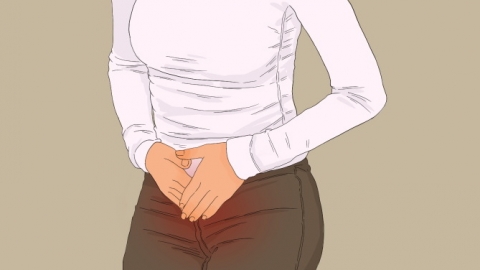
3. Atrophic Vaginitis: Postmenopausal estrogen deficiency causes vaginal mucosal atrophy and reduced resistance, leading to inflammation. The mucosa becomes irritated during intercourse, causing pain along with burning sensations and abnormal discharge. Under medical guidance, medications such as conjugated estrogen cream, estriol cream, or Lactobacillus vaginal capsules may be used to alleviate symptoms.
4. Vulvovaginal Candidiasis: Infection with Candida species causes vaginal inflammation, with symptoms including congestion and swelling of the vaginal mucosa, pain upon contact during intercourse, curd-like discharge, and vulvar itching. Under medical supervision, antifungal treatments such as clotrimazole suppositories, miconazole nitrate suppositories, or fluconazole tablets are recommended to relieve symptoms.
5. Pelvic Inflammatory Disease (PID): Infection of pelvic organs by pathogens leads to inflammation. During intercourse, pelvic congestion stimulates affected areas, causing deep vaginal and lower abdominal pain, along with low backache and abnormal discharge. Follow doctor’s instructions to take medications such as ceftriaxone sodium injection, metronidazole tablets, or levofloxacin hydrochloride capsules to manage symptoms.
Daily care includes maintaining cleanliness and dryness of the external genitalia, wearing loose and breathable underwear, avoiding frequent use of irritating cleansers, engaging in moderate exercise to strengthen the body, and maintaining a positive mental state.


