


What causes lower abdominal pain more than ten days after childbirth?

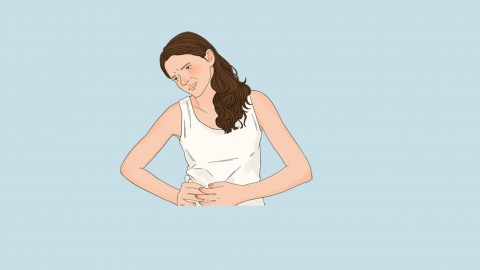
Abdominal pain more than ten days after childbirth may be caused by uterine contraction and recovery, postpartum fatigue, urinary tract infection, endometritis, or pelvic inflammatory disease. Symptoms can be improved through rest, heat application, and medication. If the pain worsens or is accompanied by fever or abnormal lochia, prompt medical attention is necessary.
1. Uterine Contraction and Recovery: After childbirth, the uterus contracts to return to its pre-pregnancy size, causing intermittent lower abdominal pain. Pain may intensify during breastfeeding. It is recommended to rest in bed, apply a warm towel to the lower abdomen for 15 minutes at a time, and reduce physical activity.
2. Postpartum Fatigue: More than ten days after delivery, the body has not fully recovered. Frequent lifting of the baby or getting up and moving around can strain abdominal muscles and cause pain, which typically improves with rest. Reduce physical exertion, ask family members to help care for the baby, and avoid prolonged standing or sitting.
3. Urinary Tract Infection: Poor urination or inadequate hygiene after childbirth may allow bacteria to enter the urethra and cause infection, resulting in lower abdominal pain along with frequent and urgent urination. Follow medical advice to take medications such as cefixime dispersible tablets, nitrofurantoin enteric-coated tablets, or Sanjin tablets to relieve symptoms.
4. Endometritis: The wound on the uterine lining after childbirth may become infected by bacteria, leading to inflammation. This causes persistent lower abdominal pain, increased lochia with a foul odor. Under medical guidance, use medications such as cefaclor capsules, metronidazole tablets, or Gynecological Qianjin tablets to manage symptoms.
5. Pelvic Inflammatory Disease: Reduced immunity after childbirth allows bacteria to ascend and infect the pelvic cavity, causing inflammation. This results in a sensation of heaviness and pain in the lower abdomen, often accompanied by soreness in the lower back and sacral area. Under medical supervision, medications such as cefuroxime axetil tablets, levofloxacin hydrochloride capsules, or Fuyankang tablets may be used to improve symptoms.
Daily care should include maintaining good postpartum hygiene, frequently changing sanitary products, drinking plenty of water to promote urination, eating a light, easily digestible diet rich in nutrients, and ensuring adequate sleep to support recovery.


