


Does having an IUD inserted mean you can never do strenuous exercise for the rest of your life?
Nov 11, 2025
Source: Cainiu Health

Dr. Zhang Lu
Introduction
In general, "inserting a ring" refers to the placement of an intrauterine device (IUD). Whether one can never engage in vigorous physical activity after IUD insertion depends on individual health conditions. If any discomfort occurs, it is recommended to seek medical attention promptly. After IUD placement, strenuous exercise and heavy physical labor should be strictly avoided for the first 1 to 3 months. Regular follow-up examinations are necessary to check the position of the IUD.
Generally speaking, "inserting a ring" refers to the placement of an intrauterine device (IUD). Whether one can never engage in vigorous exercise after IUD insertion depends on individual physical conditions. If discomfort occurs, it is recommended to seek medical attention promptly. The specific analysis is as follows:
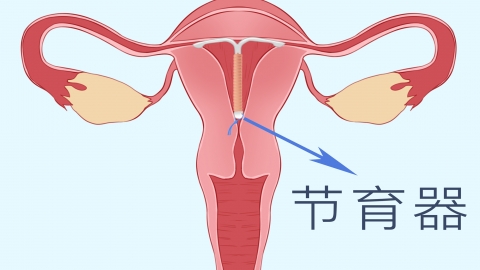
After IUD placement, if the body adapts well and follow-up examinations show that the device is in a stable position without discomfort such as abdominal pain or abnormal bleeding, it is generally not necessary to avoid vigorous exercise for life. In the initial period following the procedure, however, strenuous activity should be avoided to allow time for the uterus and IUD to adjust. Once the body has fully recovered and the IUD is securely in place, individuals can gradually resume normal physical activities, including intense exercises such as running and jumping, without affecting either their health or the position of the IUD.
If persistent discomfort occurs after IUD placement—such as recurring abdominal pain, vaginal bleeding, or if follow-up exams reveal abnormal IUD positioning—vigorous exercise should be avoided and long-term restrictions may be necessary. In such cases, strenuous activity may worsen symptoms and could lead to further displacement or expulsion of the IUD, resulting in loss of contraceptive effectiveness. The underlying issues related to discomfort or IUD position must first be addressed before reassessing whether vigorous exercise can safely resume.
For 1–3 months after IUD insertion, vigorous exercise and heavy physical labor should be strictly avoided. Regular check-ups are essential to confirm the correct positioning of the IUD, especially after the first menstrual cycle post-insertion. When resuming physical activity, do so gradually, starting with mild exercises and monitoring the body's response. Only increase intensity if no adverse symptoms occur. If abdominal pain, bleeding, or other symptoms arise during exercise, stop immediately and consult a healthcare provider.



