


Can you work night shifts when you've just become pregnant?

Generally, if there are no physical discomforts during early pregnancy, night shift work is light, and adequate rest can be ensured, it may be acceptable to temporarily continue working night shifts. However, if there are abnormal physical reactions, the night shift workload is heavy, or rest conditions are poor, working night shifts is not recommended. If in doubt, it is advisable to consult a healthcare provider in advance. Detailed explanations are as follows:
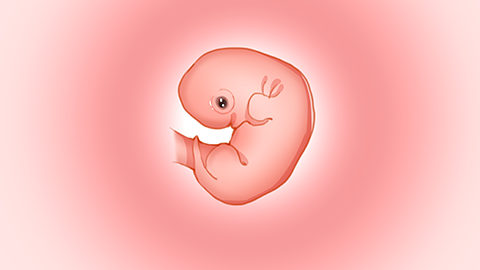
If, in early pregnancy, embryonic development is confirmed stable through examination, and the pregnant woman experiences no discomfort such as abdominal pain, vaginal bleeding, dizziness, or fatigue, and if the night shift duties mainly involve light administrative tasks that do not require prolonged standing or overtime work, and if complete sleep and proper nutritional intake can be guaranteed outside of work hours, then temporarily continuing night shifts may have minimal impact on the pregnancy.
However, if the pregnant woman shows signs of threatened miscarriage (such as light vaginal bleeding or persistent abdominal pain), or has underlying health conditions such as anemia or hypoglycemia, and if the night shift involves prolonged physical strain, frequent late nights, or exposure to noisy or hazardous environments, especially when sufficient rest cannot be ensured, working night shifts under these circumstances may significantly increase physical stress, potentially impair embryonic development, and elevate pregnancy risks. In such cases, continuing night shifts is not recommended.
After becoming pregnant, regular prenatal checkups are essential. Pregnant women should promptly report their physical condition and work situation to healthcare providers. If any discomfort arises while working night shifts, they should immediately stop working and seek medical attention to avoid delays in treatment.


