


What should I do if a hemorrhoid lump does not go away?
Nov 11, 2025
Source: Cainiu Health
Dr. Li Jingxiang
Introduction
Hemorrhoidal swelling that does not subside can be managed through topical medications, dietary adjustments, improved bowel habits, physical therapy interventions, and lifestyle modifications. In most cases, these measures help reduce swelling and alleviate discomfort. If the hemorrhoidal lump continues to enlarge, pain worsens, or persistent bleeding occurs, prompt medical attention is recommended. Use hemorrhoid ointment as directed by a healthcare provider.
Hemorrhoidal swelling that does not subside can be managed through local medication, dietary adjustments, improved bowel habits, physical therapy, and lifestyle modifications. In most cases, these measures help reduce swelling and relieve discomfort. If the hemorrhoidal lump continues to enlarge, pain worsens, or persistent bleeding occurs, prompt medical attention is recommended.
1. Local Medication: Use hemorrhoid ointments, suppositories, or sitz bath solutions (such as potassium permanganate diluted in warm water) as directed by a healthcare provider. These treatments help reduce local inflammation and edema, improve blood circulation in the affected area, and promote resolution of the hemorrhoidal swelling. Always follow instructions for proper use.
2. Dietary Adjustments: Increase intake of dietary fiber by consuming more vegetables, fruits, and whole grains. Avoid spicy, greasy, and irritating foods. Drink plenty of water to prevent constipation, which can exacerbate hemorrhoids due to increased pressure, thereby reducing strain on the affected area.
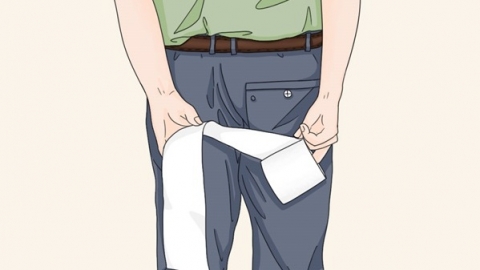
3. Improved Bowel Habits: Avoid prolonged squatting or sitting on the toilet. Limit defecation time to within 5 minutes. Do not use mobile phones or read during bowel movements to prevent increased abdominal pressure that may worsen hemorrhoidal swelling. For constipation, mild laxatives may be used to reduce irritation to the hemorrhoids during bowel movements.
4. Physical Therapy: Warm water sitz baths, performed 1–2 times daily for 15–20 minutes each session, can enhance local blood circulation. Cold compresses may also be applied for 10–15 minutes at a time to relieve acute pain and swelling by constricting blood vessels and reducing edema.
5. Lifestyle Modifications: Avoid prolonged sitting or standing. Get up and move every hour for 5–10 minutes to reduce pressure around the anus. Wear loose, breathable underwear and keep the anal area clean and dry to minimize friction and irritation, supporting recovery.
Regularly performing Kegel exercises (anal sphincter contractions) can also aid healing—contract the anal muscles for 3–5 seconds, then relax, repeating 10–15 times per set, 2–3 sets daily. After bowel movements, gently wipe with soft toilet paper to avoid excessive friction, maintaining comfort in the anal region and assisting in the resolution of hemorrhoidal swelling.





