What causes small bumps on the vulva, and what should be done about it?
Nov 11, 2025
Source: Cainiu Health

Dr. Zhang Lu
Introduction
Small bumps on the vulva may result from inadequate hygiene, friction or irritation from clothing, vulvitis, vulvar eczema, or pseudovenereal warts. Improvements can be achieved through enhanced cleaning, changing clothing, and medical treatment. If the number of bumps increases, or if itching, pain, or abnormal discharge occurs, prompt medical attention is necessary. Prolonged insufficient cleansing of the vulva can lead to accumulation of secretions and skin irritation.
Small bumps on the vulva may result from inadequate hygiene, friction from clothing, vulvitis, vulvar eczema, or pseudoverruciform lesions. These conditions can be improved through better hygiene practices, changing clothing, and medical treatments. If the number of bumps increases, or if they are accompanied by itching, pain, or abnormal discharge, prompt medical attention is necessary.
1. Poor Hygiene: Incomplete cleaning of the vulva over time can lead to accumulation of secretions that irritate the skin, forming small granules, possibly accompanied by a mild odor. It is recommended to wash the vulva daily with warm water, keep the area dry, and wear breathable cotton underwear that is changed frequently.
2. Friction Irritation from Clothing: Prolonged use of tight synthetic underwear or frequent application of irritating sanitary products can cause friction and irritation to the vulvar skin, leading to small bumps and local redness. It is advised to switch to loose-fitting cotton underwear and avoid scented sanitary products to reduce irritation.
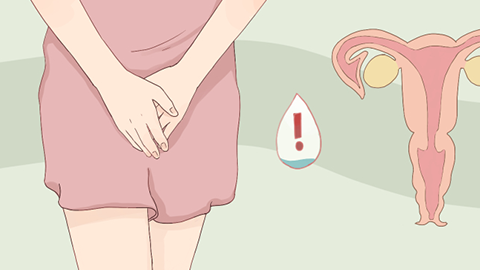
3. Vulvitis: Bacterial or fungal infections of the vulva can trigger inflammation, causing granular elevations on the skin, accompanied by itching, redness, and a burning sensation. Under medical guidance, medications such as metronidazole gel, clotrimazole cream, or Honghe Fuyin cleansing solution may be used to relieve symptoms.
4. Vulvar Eczema: Moist environments or allergic factors may induce vulvar eczema, presenting as clusters of tiny bumps, accompanied by intense itching, skin breakdown, and oozing. Under medical supervision, calamine lotion, desonide cream, or loratadine syrup may be used to alleviate symptoms.
5. Pseudocondyloma (False Genital Warts): Long-term irritation from secretions on the vulvar mucosa may lead to small granules resembling fish roe or velvety projections. These lesions are typically painless but may occasionally cause mild itching. Follow medical advice to use anti-itch and drying washes, mupirocin ointment, or recombinant human interferon α2b gel to manage symptoms.
Daily care should include maintaining cleanliness and dryness of the vulva, wearing loose and breathable underwear, avoiding scratching, reducing intake of spicy and irritating foods, and engaging in moderate exercise to enhance overall immunity.